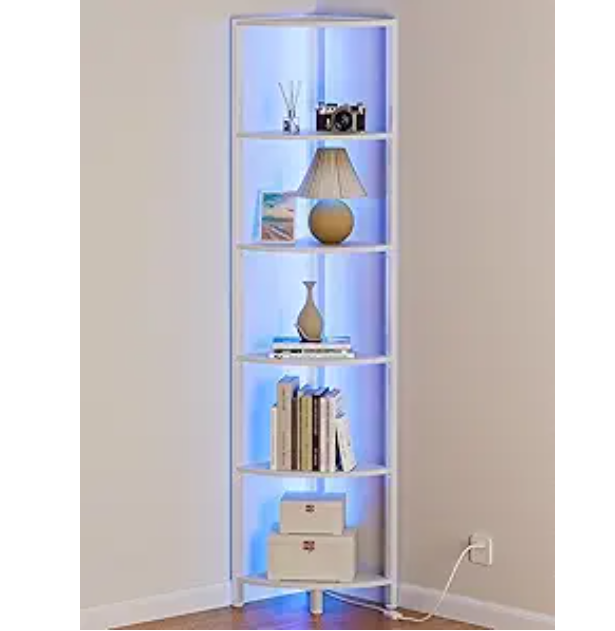
Furnulem 6 Tier Corner Shelf with LED Light, 67.5” Tall Standing Shelf Organizer, White Narrow Bookshelf with Storage Rack for Wall Corner, Living Room, Bedroom, Metal Frame, Wood Display Shelf
- This corner shelf has been specially equipped with LED light strips, with multiple colors available for adjustment. It can create a cozy atmosphere at night, enhance the gaming experience when placed in the game room, or add the atmosphere when watching movies at night when placed in the living room.
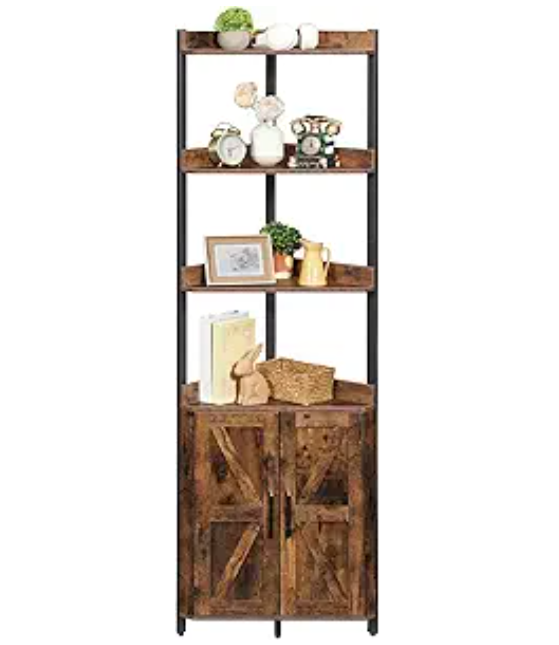
HOOBRO Corner Shelf with Storage, Tall Corner Cabinet, 5-Tier Bookshelf Stand, Storage Cabinet with Protective Fence, for Living Room, Rustic Brown and Black BF78CJ01
- The upper part of this corner cabinet features 4 open shelves, while the lower section consists of a double-door cabinet for hidden storage, providing you with ample storage for books, plants, ornaments, photo frames, and more
Discover How Smart Corner Solutions Can Maximize Every Square Inch of Your Living Space While Creating Stunning Design Statements
Corner spaces in our homes often become forgotten territories—those awkward angles where dust gathers and potential remains untapped. Yet these seemingly challenging areas hold incredible promise for transforming your living environment into something truly spectacular. Corner furniture represents one of interior design’s most ingenious solutions, turning geometric constraints into opportunities for both functionality and aesthetic brilliance.
The art of utilizing corners effectively has evolved dramatically over the years, shifting from simple space-filling afterthoughts to sophisticated design elements that can anchor entire rooms. Whether you’re dealing with a cramped studio apartment or a sprawling family home, understanding how to harness the power of corner furniture can revolutionize your living experience in ways you never imagined.
Understanding the Corner Furniture Phenomenon
Corner furniture encompasses any piece specifically designed to fit snugly into the intersection of two walls, maximizing both floor space and vertical storage potential. Unlike traditional furniture that often creates dead zones behind and around it, corner pieces embrace the geometry of your room, working with architectural constraints rather than against them.
The concept extends far beyond simply shoving a regular piece into a corner. True corner furniture is engineered with precise angles, proportional scaling, and purposeful design elements that celebrate rather than compromise the corner placement. These pieces often feature triangular or curved profiles, angled surfaces, and innovative storage solutions that would be impossible in conventional rectangular designs.
Modern corner furniture represents a sophisticated understanding of spatial psychology. When we optimize corners, we create visual flow that makes rooms feel larger, more organized, and more intentional. The eye naturally follows the lines of well-placed corner pieces, creating a sense of completion and harmony that transforms the entire space.
The Strategic Advantages of Corner Placement
Incorporating corner furniture into your home design strategy offers numerous compelling benefits that extend well beyond simple space-saving. The most immediate advantage lies in floor space liberation—by utilizing vertical corner areas, you free up valuable central floor space for movement, activities, and other essential furniture pieces.
Corner furniture also addresses one of interior design’s most persistent challenges: creating cohesive room flow. Corners naturally serve as transition points between different functional areas of a room. When furnished thoughtfully, they become bridges that connect spaces rather than barriers that divide them. A well-chosen corner piece can unify disparate elements while providing practical functionality.
From a psychological perspective, furnished corners create a sense of completion and security. Unfurnished corners can make spaces feel unfinished or uncomfortable, while thoughtfully appointed corner areas contribute to the overall sense of home and belonging. This phenomenon, known as prospect-refuge theory in environmental psychology, suggests that we feel most comfortable in spaces that feel both open and protected.
The economic benefits of corner furniture shouldn’t be overlooked either. By maximizing the utility of every square foot, corner pieces often provide better value per dollar than traditional furniture arrangements. This is particularly crucial in urban environments where space comes at a premium, and every inch counts toward both functionality and property value.
Essential Corner Furniture Categories for Every Home
The world of corner furniture encompasses an impressive array of categories, each designed to address specific functional needs while maximizing spatial efficiency. Understanding these categories helps homeowners make informed decisions about which pieces will best serve their unique requirements.
Corner seating solutions represent perhaps the most popular category, ranging from intimate two-person conversation nooks to expansive sectional sofas that can accommodate large families. These pieces often feature modular designs that allow for customization and reconfiguration as needs change. The angular nature of corner seating creates natural conversation areas while providing excellent views of televisions, fireplaces, or windows.
Corner storage units have revolutionized home organization, offering everything from simple shelving systems to complex entertainment centers with integrated lighting and cable management. These pieces often incorporate both open and closed storage options, allowing for display of decorative items while concealing less attractive necessities. Many modern corner storage solutions feature adjustable shelving and modular components that can adapt to changing storage needs.
Corner workspace solutions have become increasingly important as remote work and home offices gain prominence. Corner desks maximize work surface while minimizing room footprint, often incorporating features like built-in storage, cable management, and ergonomic considerations. Some designs include hutches or overhead storage that takes advantage of vertical space without overwhelming the room.
Corner dining solutions offer intimate alternatives to traditional dining arrangements, particularly effective in breakfast nooks, small kitchens, or multipurpose rooms. These often include booth-style seating with storage beneath, creating cozy dining experiences while maximizing functionality. Corner dining sets can transform unused kitchen corners into charming breakfast areas or casual dining spaces.
Optimizing Small Spaces with Strategic Corner Solutions
Small space living has become increasingly common, making corner furniture not just desirable but essential for creating functional, comfortable homes. The key to successful small space corner optimization lies in choosing pieces that serve multiple functions while maintaining visual lightness and flow.
In compact living rooms, corner furniture can create the illusion of more space while providing essential functionality. A corner entertainment unit with floating shelves draws the eye upward, making ceilings appear higher while providing storage for media equipment, books, and decorative objects. Pairing this with a corner reading chair creates a cozy nook that doesn’t interfere with main traffic patterns.
Small bedroom corners present unique opportunities for both storage and comfort enhancement. A corner vanity or desk can transform an unused area into a productive workspace or grooming station. Corner wardrobes or armoires provide substantial clothing storage without the bulk of traditional closets, particularly valuable in older homes with limited built-in storage.
Kitchen corners in small homes often become problematic areas where functionality goes to die. Corner furniture solutions like rotating lazy Susans, pull-out drawers, and tiered shelving systems can transform these challenging spaces into highly functional storage areas. Corner breakfast nooks with built-in seating and storage create dining areas that would be impossible with traditional furniture.
The key to small space success lies in choosing corner furniture with clean lines, light colors, and reflective surfaces that bounce light around the room. Glass, light woods, and metallics work particularly well, while overly ornate or dark pieces can make small spaces feel cramped and overwhelming.
Material Considerations for Lasting Beauty and Function
The materials used in corner furniture construction significantly impact both aesthetic appeal and long-term functionality. Understanding material characteristics helps ensure your corner pieces will maintain their beauty and utility for years to come.
Wood remains the most popular material for corner furniture, offering warmth, durability, and versatility that suits virtually any design style. Hardwoods like oak, maple, and cherry provide exceptional longevity and develop beautiful patina over time. These materials work particularly well for corner desks, bookcases, and dining sets where durability is paramount. Engineered woods like plywood and MDF offer cost-effective alternatives while still providing attractive finishes and reasonable durability.
Metal corner furniture has gained significant popularity, particularly in contemporary and industrial design schemes. Steel and aluminum offer exceptional strength-to-weight ratios, making them ideal for corner shelving systems and workspace solutions. Powder-coated finishes provide excellent durability and color options, while raw metals like brass and copper can develop interesting patinas over time.
Glass elements in corner furniture serve dual purposes: they maintain visual lightness while providing functional surfaces. Tempered glass shelving, desktop surfaces, and display areas allow light to flow through the piece, preventing corner areas from feeling heavy or closed off. Glass works particularly well in small spaces where maintaining sight lines is crucial for spatial perception.
Upholstered corner furniture requires careful material selection to ensure both comfort and longevity. Performance fabrics have revolutionized upholstery options, offering stain resistance, durability, and easy maintenance without sacrificing style. Leather remains a premium choice for corner seating, developing character over time while providing excellent durability and comfort.
Selecting Perfect Corner Pieces for Living Spaces
The living room serves as the heart of most homes, making the selection of corner furniture particularly crucial for both functionality and aesthetic success. The process begins with careful assessment of room proportions, traffic patterns, and functional requirements.
Corner seating in living rooms must balance comfort, scale, and visual impact. Sectional sofas designed for corners often provide the most seating in the smallest footprint, but scale is critical—oversized pieces can overwhelm smaller rooms while undersized furniture can look lost in larger spaces. Consider the sight lines from corner seating to other room elements like televisions, fireplaces, or windows.
Corner entertainment centers have evolved significantly beyond simple television stands. Modern units often incorporate streaming device storage, gaming console accommodation, and cable management systems. The best designs balance open and closed storage, providing display areas for decorative objects while concealing technical equipment and media collections.
Lighting considerations play a crucial role in living room corner furniture selection. Corners naturally receive less ambient light, so pieces should either incorporate lighting elements or allow for easy addition of task lighting. Corner reading chairs benefit from nearby floor lamps or overhead lighting, while entertainment centers often include integrated LED strips.
The relationship between corner pieces and other room furniture requires careful orchestration. Corner furniture should complement rather than compete with other elements, creating a cohesive design story that feels intentional and harmonious. This often means selecting pieces that echo materials, colors, or design elements found elsewhere in the room.
Current Trends Shaping Corner Furniture Design
The landscape of corner furniture design continues evolving, influenced by changing lifestyle patterns, technological advancement, and environmental consciousness. Understanding current trends helps ensure your corner furniture selections will remain relevant and appealing for years to come.
Modular and customizable corner furniture represents one of the strongest current trends. Consumers increasingly value pieces that can adapt to changing needs, move between homes, and reconfigure for different uses. This trend reflects both practical considerations and a growing appreciation for sustainable consumption patterns.
Technology integration has become essential in modern corner furniture design. Corner desks now routinely include built-in charging stations, cable management systems, and adjustable monitor arms. Entertainment centers incorporate wireless charging pads, ventilation systems for electronic equipment, and smart home control integration. Even corner seating may include USB ports and wireless charging capabilities.
Biophilic design elements are increasingly common in corner furniture, reflecting growing awareness of nature’s positive impact on well-being. This includes incorporation of live edge wood, plant display areas, and natural materials that bring outdoor elements indoors. Corner pieces often serve as ideal locations for plant displays, taking advantage of natural light from two directions.
Minimalist aesthetics continue influencing corner furniture design, with clean lines, neutral colors, and uncluttered forms gaining popularity. This trend particularly suits corner pieces, which can easily become overwhelming if overly ornate or complex. Simple, elegant designs allow the functionality and space-saving benefits to shine.
Sustainable materials and manufacturing processes have become important considerations for many consumers. Corner furniture manufacturers increasingly offer pieces made from reclaimed wood, recycled metals, and low-emission finishes. This trend reflects growing environmental consciousness and desire for products with positive rather than negative environmental impact.
Storage Integration: Maximizing Corner Functionality
One of the most compelling aspects of corner furniture lies in its storage potential. Corner pieces naturally lend themselves to innovative storage solutions that would be impossible or impractical in conventional furniture designs.
Corner storage systems can transform chaotic rooms into organized, functional spaces. Tall corner bookcases take advantage of vertical space while maintaining relatively small footprints. These pieces often incorporate a combination of open shelving for display items and closed storage for items better kept hidden. The triangular nature of many corner storage pieces creates interesting display opportunities that add visual texture to rooms.
Built-in storage within corner furniture seating has revolutionized small space living. Corner benches and banquettes often include lift-up seats revealing storage compartments perfect for linens, seasonal items, or children’s toys. This dual functionality makes corner seating particularly valuable in dining areas, entryways, and bedrooms where storage is at a premium.
Corner wardrobes and armoires provide substantial clothing storage without the bulk of traditional closets. These pieces work particularly well in bedrooms with limited closet space or in guest rooms where temporary clothing storage is needed. Many designs include combinations of hanging space, drawers, and shelving to accommodate various clothing types and accessories.
Corner kitchen storage presents unique challenges that corner furniture addresses through innovative design. Lazy Susan systems, pull-out drawers, and tiered shelving maximize accessibility while preventing items from being lost in deep corner cabinets. These solutions transform typically problematic kitchen corners into highly functional storage areas.
Price Considerations and Value Assessment
Understanding the price landscape for corner furniture helps consumers make informed decisions that balance budget constraints with quality and functionality requirements. Price ranges vary dramatically based on materials, construction quality, design complexity, and brand positioning.
Entry-level corner furniture options typically range from budget-friendly particle board pieces to mid-range engineered wood constructions. These pieces often provide excellent value for temporary housing situations, rental properties, or spaces where furniture may need frequent replacement. While they may lack the longevity of premium pieces, they can serve immediate needs effectively.
Mid-range corner furniture generally offers the best value proposition for most consumers. These pieces typically feature solid wood construction, quality hardware, and thoughtful design details while remaining accessible to average budgets. This category often includes pieces from established furniture manufacturers with good warranty coverage and customer service support.
Premium corner furniture commands higher prices but offers superior materials, construction techniques, and design sophistication. Handcrafted pieces, exotic woods, and designer collaborations fall into this category. While expensive initially, these pieces often provide better long-term value through extended lifespans and timeless design appeal.
Custom corner furniture represents the highest price tier but offers perfect fit and personalization impossible with mass-produced pieces. This option particularly suits unusual spaces, specific functional requirements, or design visions that can’t be achieved with standard pieces. The investment often pays dividends in both functionality and aesthetic satisfaction.
When evaluating corner furniture value, consider factors beyond initial price including expected lifespan, warranty coverage, resale potential, and the cost of not optimizing corner spaces effectively. Sometimes higher initial investment yields better long-term value through improved functionality and satisfaction.
Professional Corner Workspace Solutions
The rise of remote work has elevated the importance of corner furniture designed specifically for professional environments. Corner home offices require careful planning to create productive, comfortable workspaces within residential settings.
Corner desks designed for professional use must balance multiple considerations including ergonomics, storage, and technology integration. L-shaped corner desks provide expansive work surfaces while maintaining efficient footprints. The angular design naturally separates different work activities—one surface for computer work, another for paperwork or creative tasks.
Cable management becomes particularly crucial in corner workspace setups where multiple devices may be in use simultaneously. Quality corner desks incorporate built-in cable routing, power management, and device storage to maintain clean, professional appearances. Some designs include adjustable monitor arms and keyboard trays to ensure ergonomic positioning regardless of user height or preference.
Storage integration in corner workspace furniture should accommodate both active and archive storage needs. Overhead hutches provide convenient access to frequently used items while maintaining clear desk surfaces. Filing systems, whether built-in or separate, should be easily accessible without disrupting workflow or requiring excessive movement.
Lighting considerations are particularly important for corner workspaces, which may not receive optimal natural light. Corner furniture designed for professional use often incorporates task lighting or provides easy mounting points for adjustable lamps. Under-cabinet lighting can eliminate shadows while accent lighting can improve the overall ambiance of the workspace.
Styling Corner Bookshelves for Modern Aesthetics
Corner bookshelves represent one of the most versatile forms of corner furniture, serving both functional and decorative purposes while adapting to virtually any design style. Modern styling approaches emphasize clean lines, thoughtful arrangement, and integration with overall room design.
The foundation of effective corner bookshelf styling lies in understanding proportional relationships. Books should comprise roughly 70% of shelf content, with the remaining 30% dedicated to decorative objects, plants, and negative space. This ratio prevents shelves from appearing cluttered while maintaining their primary function as book storage.
Color coordination plays a crucial role in modern corner furniture styling. Books can be arranged by color to create visual impact, or mixed with decorative objects that echo room color schemes. Neutral spine colors create calm backgrounds for colorful decorative accents, while bold book spines can serve as the primary color elements in otherwise neutral spaces.
Layering techniques add depth and visual interest to corner bookshelf arrangements. Stacking some books horizontally creates platforms for decorative objects while breaking up vertical lines. Incorporating objects of varying heights and textures prevents monotony while maintaining cohesive aesthetic appeal.
Lighting integration can transform corner bookshelves from simple storage into dramatic design elements. LED strip lighting, picture lights, or strategically placed accent lighting can highlight both books and decorative objects while adding warmth to corner areas. This is particularly effective with tall corner furniture pieces that might otherwise disappear into shadows.
Plant integration brings life and natural elements to corner bookshelf styling. Corner locations often provide excellent light conditions for plants while the shelving structure offers multiple display opportunities. Trailing plants can soften hard edges while upright plants add height variation and natural color.
Bedroom Corner Solutions for Enhanced Functionality
Bedrooms present unique opportunities for corner furniture applications, particularly in addressing storage challenges and creating intimate, functional spaces within sleeping areas. Corner solutions can transform bedrooms from simple sleeping spaces into multi-functional retreats.
Corner vanities provide grooming and preparation areas without consuming valuable floor space needed for bed placement and movement. These pieces often incorporate mirrors, lighting, and storage for cosmetics and personal care items. Modern designs may include electrical outlets for hair styling tools and charging stations for personal devices.
Corner reading nooks create intimate spaces for relaxation and quiet activities. A comfortable chair paired with appropriate lighting and perhaps a small side table can transform unused corner space into a personal retreat. This is particularly valuable in master bedrooms where partners may have different sleep schedules or activity preferences.
Corner wardrobes address storage needs in bedrooms with limited closet space. These pieces can provide substantial hanging space, drawer storage, and shelving while maintaining relatively compact footprints. Some designs include mirrors or can be paired with dressing areas to create comprehensive grooming stations.
Bedroom corner storage benches serve dual purposes as seating and storage while providing convenient locations for putting on shoes or temporary clothing placement. These pieces work particularly well at the foot of beds or in dressing areas where their functionality can be fully utilized.
Leading Brands and Quality Considerations
The corner furniture market includes numerous brands ranging from mass-market retailers to high-end custom manufacturers. Understanding brand positioning and quality indicators helps consumers make informed purchasing decisions.
Established furniture manufacturers often offer comprehensive corner furniture collections that coordinate with their broader product lines. These brands typically provide consistent quality standards, warranty coverage, and customer service support. Their pieces often feature standardized dimensions that work well with other furniture pieces and room planning.
Specialty corner furniture manufacturers focus exclusively on maximizing corner space utility. These companies often offer innovative designs and customization options not available from general furniture manufacturers. Their expertise in corner-specific challenges often results in superior functionality and space optimization.
Quality indicators in corner furniture include construction methods, hardware quality, and finish durability. Solid wood construction generally outlasts particle board or MDF alternatives, while quality hardware ensures smooth operation and longevity. Finish quality affects both appearance and durability, with better finishes resisting scratches, stains, and fading more effectively.
Warranty coverage varies significantly between brands and price points. Comprehensive warranties covering both materials and workmanship indicate manufacturer confidence in product quality. Understanding warranty terms helps protect your investment and provides recourse if problems develop.
Customization and Personalization Options
The unique nature of corner spaces often makes customization an attractive option for corner furniture purchases. Custom pieces can address specific spatial constraints, functional requirements, and aesthetic preferences impossible to achieve with mass-produced alternatives.
Space constraints represent the most common driver for corner furniture customization. Rooms with unusual dimensions, architectural features, or specific clearance requirements may require custom solutions. Professional measurement and design services ensure proper fit while maximizing functional potential.
Functional customization allows corner furniture to address specific lifestyle needs. Home office corners may require specialized equipment accommodation, while entertainment corners might need custom cable management or ventilation systems. Storage needs can be specifically addressed through custom compartment sizing and accessibility features.
Aesthetic customization ensures corner furniture integrates seamlessly with existing decor and personal style preferences. Custom finishes, hardware selections, and design details can create pieces that appear built-in rather than added afterthoughts. This level of integration often justifies the additional investment required for custom work.
The customization process typically involves consultation, design development, approval, and manufacturing phases. Timeline expectations should account for design iteration, material procurement, and construction time. Quality custom work requires patience but often delivers superior results compared to compromise solutions using standard pieces.
Environmental Considerations and Sustainable Options
Growing environmental consciousness has made sustainability an important consideration in corner furniture selection. Understanding environmental impacts and available sustainable options helps consumers make responsible purchasing decisions.
Sustainable materials in corner furniture include reclaimed wood, rapidly renewable resources like bamboo, and recycled metals. These materials often provide unique aesthetic characteristics while reducing environmental impact compared to virgin materials. Reclaimed wood, in particular, can add character and history to corner pieces while preventing waste.
Manufacturing processes significantly impact corner furniture environmental footprints. Local production reduces transportation emissions while supporting regional economies. Companies employing renewable energy, waste reduction, and water conservation practices offer more sustainable alternatives to conventional manufacturing.
Durability considerations play crucial roles in corner furniture sustainability. Well-built pieces that last decades provide better environmental value than cheaper alternatives requiring frequent replacement. Quality construction, repairable designs, and timeless aesthetics contribute to longer product lifespans.
End-of-life considerations are increasingly important in sustainable corner furniture selection. Pieces designed for disassembly and material recovery offer better environmental outcomes than those destined for landfills. Some manufacturers offer take-back programs or use materials that can be easily recycled or composted.
VOC emissions from finishes and adhesives affect indoor air quality and environmental impact. Low-VOC and zero-VOC finishes provide healthier indoor environments while reducing atmospheric pollution. These options are particularly important for pieces that will be used in bedrooms or other spaces where air quality is crucial.
Installation and Measurement Guidelines
Successful corner furniture installation begins with accurate measurement and careful planning. The angular nature of corner spaces creates unique challenges that require attention to detail and proper preparation.
Measuring corner spaces requires consideration of both wall angles and floor clearances. Not all corners form perfect 90-degree angles, particularly in older homes where settling may have affected structural alignment. Using adjustable measuring tools and checking multiple points ensures accurate dimensional information.
Clearance considerations extend beyond simple furniture dimensions to include door swings, traffic patterns, and access for cleaning and maintenance. Corner furniture placement should not interfere with natural room flow or create safety hazards. Adequate clearance around pieces ensures comfortable use and accessibility.
Wall preparation may be necessary before corner furniture installation, particularly for pieces requiring wall attachment or electrical connections. Checking wall construction, locating studs, and ensuring adequate electrical supply prevents installation problems and ensures secure mounting.
Assembly considerations vary significantly between corner furniture types and manufacturers. Some pieces arrive fully assembled while others require extensive construction. Understanding assembly requirements before purchase helps ensure appropriate tools and expertise are available when needed.
Professional installation may be advisable for complex corner furniture pieces, particularly those requiring electrical work, wall mounting, or precise fitting. Professional installers bring expertise and insurance coverage that can prevent costly mistakes and ensure proper installation.
Future-Proofing Your Corner Furniture Investments
Selecting corner furniture that will remain functional and appealing for years requires consideration of changing needs, evolving technology, and design trends. Future-proofing strategies help ensure corner investments continue providing value over time.
Adaptability features in corner furniture allow pieces to evolve with changing needs. Modular designs, adjustable components, and removable elements provide flexibility as living situations, family compositions, and functional requirements change. This adaptability often justifies higher initial investments through extended utility periods.
Technology integration considerations are increasingly important in corner furniture selection. Built-in charging capabilities, cable management systems, and smart home compatibility help ensure pieces remain relevant as technology continues evolving. However, avoiding overly specific technology integration can prevent obsolescence as standards change.
Design timelessness helps corner furniture remain aesthetically appealing despite changing trends. Classic proportions, quality materials, and understated details generally age better than trendy colors, finishes, or decorative elements. Neutral foundations can be updated with accessories and textiles rather than requiring complete replacement.
Quality construction ensures corner furniture can withstand years of use while maintaining appearance and functionality. Investing in well-built pieces often provides better long-term value than replacing cheaper alternatives multiple times. Quality also supports sustainability goals by extending product lifespans.
Conclusion: Embracing the Corner Revolution
The world of corner furniture offers incredible opportunities for transforming homes into more functional, beautiful, and efficient living spaces. From intimate reading nooks to expansive entertainment centers, corner solutions can address virtually any spatial challenge while creating design statements that enhance overall room appeal.
The key to successful corner furniture integration lies in understanding your specific needs, spatial constraints, and aesthetic preferences. Whether you’re furnishing a compact studio apartment or optimizing spaces in a larger home, corner solutions can provide functionality and beauty that traditional furniture arrangements simply cannot match.
As we continue spending more time in our homes, the importance of maximizing every square foot becomes increasingly apparent. Corner furniture represents one of the most effective strategies for achieving this optimization while maintaining the comfort, style, and functionality that make houses feel like homes.
The investment in quality corner furniture pays dividends not only in immediate functionality but also in long-term satisfaction and home value. By choosing pieces that reflect your lifestyle, complement your aesthetic preferences, and address your specific functional needs, you create corner solutions that will serve and delight for years to come.
The corner revolution in home furnishing continues evolving, driven by innovation in materials, manufacturing techniques, and design philosophy. Embracing this evolution means recognizing that every corner represents an opportunity—an opportunity to create something beautiful, functional, and uniquely yours. In the end, corner furniture is not just about filling space; it’s about creating space that truly works for the way you live.