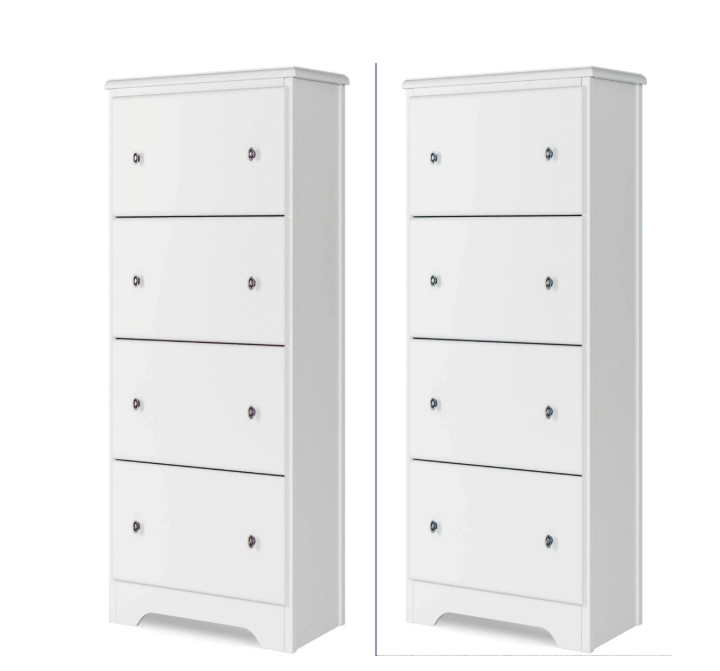
Homfa Dresser Chest, Modern Chest Organizer with 4 Drawers for Bedroom, White Finish
- The white dresser chest with versatile clean-lined 4 drawers bring storage and delicate & elegant charm to your master suite or guest room. Construction with premium wood and strong support legs, this chest of drawers provides excellent stability and ensures long-term use.
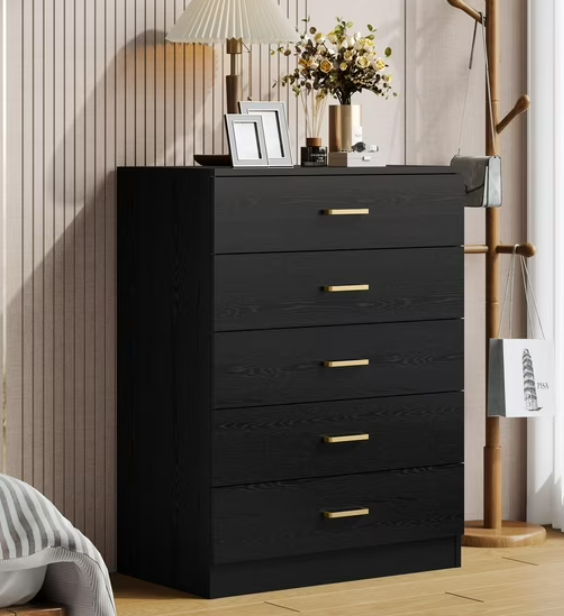
UHOMEPRO Black 5 Drawer Dresser, Chest of Drawers for Bedroom, Modern Storage Cabinet Dresser Organizer Unit with Handle for Living Room, Closet, Hallway
- UHOMEPRO 5-drawer dresser is made of an E1 grade 15mm particle board which provides strong support for itself, the 5 large drawers can be used to hide various sundries. And the wooden tabletop offers a hard surface for display lamps, alarm clocks, books, glasses charging stations, etc.
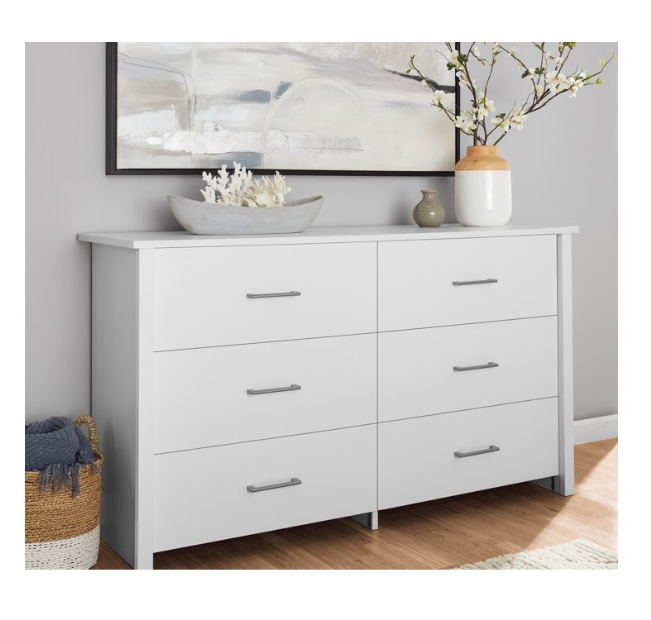
Mainstays Hillside 6-Drawer Dresser, Soft White Finish
- Assembled Dimensions: 56.77″ L x 18.03″ W x 31.97″ H
- Six spacious drawers
- Drawers feature metal runners and safety stops for easy and smooth drawer access
- Includes an interlocking safety mechanism that allows only one drawer open at a time
Discover the perfect blend of functionality and style that transforms any room into a sophisticated haven
In the ever-evolving world of interior design, few pieces of furniture possess the remarkable ability to seamlessly blend practicality with elegance quite like bureau furniture. These sophisticated storage solutions have graced homes for centuries, evolving from simple writing desks to multifunctional masterpieces that serve as the cornerstone of organized living. Whether you’re furnishing a cozy bedroom, creating an inspiring home office, or designing a guest room that exudes charm, understanding the nuances of bureau furniture can transform your space from ordinary to extraordinary.
The journey of selecting the perfect bureau extends far beyond merely choosing a piece of furniture—it’s about investing in a lifestyle enhancement that speaks to your personal aesthetic while addressing your practical needs. In today’s fast-paced world, where organization and efficiency are paramount, bureau furniture emerges as an indispensable ally in creating spaces that are both beautiful and functional.
Understanding the Essence of Bureau Furniture
Bureau furniture represents a sophisticated category of storage furniture that traditionally combines a writing surface with multiple drawers and compartments. The term “bureau” originates from the French word for a type of desk covered with a coarse cloth called “bure,” highlighting its historical connection to workspace functionality. Modern bureau furniture has expanded this concept to encompass a wide range of designs that serve multiple purposes in contemporary homes.
At its core, a bureau is characterized by its chest-like structure featuring multiple drawers arranged vertically, often topped with either a flat surface suitable for display items or an integrated mirror for dressing purposes. This versatile design makes bureau furniture particularly valuable in spaces where maximizing storage while maintaining an organized appearance is essential.
The evolution of bureau furniture reflects changing lifestyle needs and design preferences. Today’s bureaus range from minimalist Scandinavian designs that emphasize clean lines and functionality to ornate traditional pieces that serve as statement furniture in formal settings. This diversity ensures that regardless of your interior design style, there’s a bureau that can complement and enhance your space.
What distinguishes bureau furniture from other storage solutions is its emphasis on both concealed and display storage. The drawer system provides hidden organization for personal items, while the top surface creates opportunities for decorative displays, making it a perfect balance between practical storage and aesthetic appeal.
The Multifaceted Applications of Bureau Furniture
The versatility of bureau furniture extends far beyond its traditional role as a bedroom storage piece. In modern homes, these adaptable furnishings serve numerous functions that make them invaluable additions to various living spaces.
In bedroom settings, bureau furniture serves as the primary storage solution for clothing, accessories, and personal items. The multiple drawer configuration allows for organized storage of different clothing categories, from intimate apparel in smaller top drawers to bulkier items like sweaters in deeper bottom drawers. The top surface provides space for decorative items, personal photographs, or essential daily items like jewelry boxes and perfume collections.
Home office applications of bureau furniture have gained significant popularity, especially with the rise of remote work culture. These pieces can function as compact workstations, providing storage for office supplies, documents, and equipment while offering a writing surface for correspondence or laptop use. The enclosed storage helps maintain a professional appearance during video calls by keeping clutter hidden from view.
Living areas benefit from bureau furniture as accent pieces that provide additional storage while serving as display surfaces for books, artwork, or collectibles. In dining rooms, bureaus can store table linens, serving pieces, and seasonal decorations, making them accessible yet organized.
Guest rooms particularly benefit from bureau furniture as these pieces provide visitors with adequate storage space while maintaining the room’s aesthetic appeal. The combination of storage and display surface allows guests to unpack and organize their belongings while providing space for personal items they wish to keep visible.
Navigating the Marketplace for Quality Bureau Furniture
The search for quality bureau furniture requires understanding the various retail channels and their respective advantages. Traditional furniture stores remain popular destinations for bureau shopping, offering the advantage of physically examining pieces before purchase. These establishments typically provide knowledgeable sales staff who can guide customers through different options and explain construction details that impact durability and functionality.
Specialty furniture boutiques often carry unique or artisan-crafted bureau furniture pieces that stand out from mass-market options. These venues frequently offer customization services and work with skilled craftspeople who can create bespoke bureaus tailored to specific requirements and design preferences.
Online marketplaces have revolutionized bureau furniture shopping by providing access to an extensive range of options from various manufacturers and retailers. While online shopping offers convenience and often competitive pricing, it requires careful attention to product descriptions, customer reviews, and return policies to ensure satisfaction with the purchase.
Antique shops and vintage furniture dealers present opportunities to acquire unique bureau furniture pieces with historical character and superior craftsmanship. These venues require patience and knowledge to identify authentic pieces and assess their condition, but they can yield extraordinary finds that become family heirlooms.
Estate sales and auctions offer another avenue for discovering quality bureau furniture at potentially advantageous prices. These venues require quick decision-making and the ability to assess furniture condition rapidly, but they can provide access to high-quality pieces that might otherwise be unavailable.
Material Considerations in Bureau Furniture Construction
The choice of materials significantly impacts the durability, appearance, and price of bureau furniture. Understanding these materials helps in making informed decisions that align with both budget constraints and quality expectations.
Solid hardwoods represent the premium choice for bureau furniture construction. Woods like oak, maple, cherry, and walnut offer exceptional durability and develop beautiful patinas over time. These materials support the weight of heavy items and resist warping and cracking when properly maintained. The natural grain patterns in hardwoods create unique aesthetic characteristics that make each piece distinctive.
Engineered wood products, including plywood and medium-density fiberboard (MDF), offer cost-effective alternatives that can still provide good durability when properly constructed. High-quality plywood bureaus can offer excellent stability and strength, while MDF allows for smooth painted finishes that create contemporary looks.
Veneer construction combines the beauty of hardwood with more affordable substrate materials. Quality veneer bureau furniture can provide the appearance of solid wood at a lower price point, though care must be taken to avoid damage to the thin surface layer.
Metal construction has gained popularity in modern bureau furniture design, particularly for industrial and contemporary styles. Steel and aluminum bureaus offer exceptional durability and unique aesthetic appeal, though they may lack the warmth associated with wood furniture.
Mixed material construction combines different elements to achieve specific design goals. For example, bureaus might feature wood frames with metal accents or incorporate glass elements for display purposes. These combinations can create striking visual effects while maintaining functional benefits.
Price Dynamics in the Bureau Furniture Market
Understanding the pricing structure of bureau furniture helps set appropriate expectations and budget allocations for different quality levels and design requirements. The market offers options across a broad spectrum, from budget-friendly pieces to luxury investment furniture.
Entry-level bureau furniture typically ranges from $200 to $600, often featuring engineered wood construction with laminate or veneer finishes. These pieces can provide adequate functionality for temporary living situations or budget-conscious consumers, though they may lack the durability and refinement of higher-quality options.
Mid-range bureau furniture generally falls between $600 and $1,500, offering improved construction quality, better materials, and more sophisticated design elements. This category often includes solid wood options, superior hardware, and more detailed finishing work that enhances both appearance and longevity.
Premium bureau furniture extends from $1,500 to $4,000, featuring high-quality hardwood construction, exceptional craftsmanship, and sophisticated design elements. These pieces often come from established furniture manufacturers with reputations for quality and may include features like soft-close drawers and premium hardware.
Luxury and artisan bureau furniture can exceed $4,000, representing the pinnacle of craftsmanship and materials. These pieces often feature unique designs, exotic woods, hand-carved details, or artist collaborations that make them investment-quality furniture with potential appreciation value.
Custom bureau furniture pricing varies widely based on specifications but typically starts around $2,000 for basic custom work and can reach $10,000 or more for elaborate bespoke pieces featuring complex designs and premium materials.
Exploring Style Variations in Bureau Furniture
The diversity of styles available in bureau furniture ensures compatibility with virtually any interior design approach. Understanding these style categories helps in selecting pieces that harmonize with existing décor while expressing personal aesthetic preferences.
Traditional bureau furniture draws inspiration from historical design periods, featuring rich wood finishes, ornate hardware, and classical proportions. These pieces often include decorative elements like carved details, turned legs, and brass hardware that create timeless elegance suitable for formal settings.
Contemporary bureau furniture emphasizes clean lines, minimal ornamentation, and functional design elements. These pieces often feature geometric shapes, neutral colors, and innovative storage solutions that prioritize efficiency and simplicity.
Transitional styles bridge traditional and contemporary approaches, creating bureau furniture that feels both timeless and current. These pieces might combine classical proportions with simplified details or traditional wood finishes with modern hardware choices.
Industrial bureau furniture incorporates materials and design elements reminiscent of factory and warehouse settings. Steel frames, exposed hardware, and weathered finishes characterize this style, which appeals to those seeking bold, masculine design statements.
Scandinavian design influences create bureau furniture that emphasizes natural materials, light finishes, and functional simplicity. These pieces often feature blonde woods, minimal hardware, and clean proportions that support the Nordic aesthetic of hygge and functional beauty.
Mid-century modern bureau furniture reflects the design sensibilities of the 1950s and 1960s, featuring tapered legs, geometric shapes, and rich wood tones. These pieces have experienced renewed popularity as vintage design elements become increasingly sought after.
Leading Manufacturers in the Bureau Furniture Industry
Several manufacturers have established themselves as leaders in the bureau furniture market through consistent quality, innovative design, and reliable customer service. Understanding these brands helps in making informed purchasing decisions.
West Elm has gained recognition for offering modern bureau furniture designs that balance affordability with contemporary style. Their pieces often feature clean lines and trendy finishes that appeal to younger consumers and those furnishing modern spaces.
Crate & Barrel focuses on quality construction and timeless design in their bureau furniture offerings. Their pieces typically feature solid wood construction and classic styling that transcends temporary trends.
Room & Board emphasizes American-made bureau furniture with exceptional build quality and customization options. Their commitment to domestic manufacturing and sustainable practices appeals to consumers prioritizing ethical consumption.
West Elm and CB2 cater to contemporary design preferences with bureau furniture that incorporates current trends and innovative storage solutions. These brands often introduce new collections that reflect emerging design movements.
Heritage furniture makers like Stickley and Henkel Harris produce bureau furniture that represents traditional craftsmanship and premium materials. These manufacturers focus on creating pieces that can serve as family heirlooms.
IKEA provides accessible bureau furniture options for budget-conscious consumers, often featuring innovative storage solutions and modern design elements at entry-level prices.
Sizing Considerations for Bureau Furniture Selection
Selecting the appropriate size bureau furniture requires careful consideration of room dimensions, storage needs, and traffic patterns. Proper sizing ensures that the piece enhances rather than overwhelms the space while providing adequate functionality.
Room measurement should precede bureau furniture shopping to establish size constraints and ensure proper fit. Consider not only floor space but also wall height, nearby furniture placement, and door swing clearances that might affect placement options.
Standard bureau furniture widths typically range from 30 to 60 inches, with depths between 16 and 20 inches. Heights vary more significantly, from low horizontal designs around 30 inches to tall vertical pieces reaching 50 inches or more.
Small room applications benefit from bureau furniture that maximizes vertical storage while minimizing floor footprint. Tall, narrow designs can provide substantial storage capacity without overwhelming limited floor space.
Large room settings can accommodate wider bureau furniture pieces that create visual anchors and provide extensive storage capacity. These spaces allow for pieces that might serve multiple functions or create symmetrical arrangements with other furniture.
Proportion relationships between bureau furniture and other room elements affect visual harmony. The bureau should complement rather than compete with beds, sofas, or other major furniture pieces in terms of scale and visual weight.
Distinguishing Bureau Furniture from Dressers
While bureau furniture and dressers share storage functionality, several key differences distinguish these furniture categories. Understanding these distinctions helps in selecting the most appropriate piece for specific needs and spaces.
Traditional bureau furniture typically features a more compact, vertical orientation with smaller drawers arranged in multiple tiers. This configuration often includes a writing surface or display area that dressers typically lack.
Dressers generally emphasize horizontal orientation with larger, wider drawers designed specifically for clothing storage. They usually feature a broader top surface suitable for larger items or mirror mounting.
Historical usage patterns show bureau furniture serving dual purposes as writing desks and storage pieces, while dressers focused primarily on clothing organization. This functional difference continues to influence modern design approaches.
Size relationships typically show bureau furniture as more compact and space-efficient, making it suitable for smaller rooms or multiple-function spaces. Dressers often require more floor space but provide greater storage volume.
Design aesthetics may differ, with bureau furniture often featuring more decorative elements and refined proportions, while dressers prioritize practical storage and durability.
Vintage and Antique Bureau Furniture Options
The market for vintage and antique bureau furniture offers unique opportunities to acquire pieces with historical significance and exceptional craftsmanship. These options appeal to collectors and design enthusiasts seeking distinctive furniture with character and provenance.
Antique bureau furniture from the 18th and 19th centuries represents the pinnacle of traditional craftsmanship, featuring hand-cut joinery, solid wood construction, and period-appropriate hardware. These pieces require expertise to authenticate and may need restoration to maintain functionality.
Mid-century vintage bureau furniture from the 1950s and 1960s has gained significant popularity among design enthusiasts. These pieces often feature innovative materials and bold design elements that complement contemporary interiors.
Victorian era bureau furniture showcases elaborate decoration and rich wood finishes that create dramatic focal points in traditional or eclectic interiors. These pieces often feature complex hardware and ornate detailing that reflects period craftsmanship.
Art Deco bureau furniture from the 1920s and 1930s displays geometric design elements and exotic materials that create striking visual statements. These pieces appeal to collectors of modernist design and those seeking unique decorative elements.
Condition assessment becomes crucial when considering vintage bureau furniture, as age-related wear, previous repairs, and structural integrity affect both value and functionality. Professional evaluation may be necessary for significant purchases.
Bureau Furniture Solutions for Compact Spaces
Small space living requires bureau furniture designs that maximize storage efficiency while minimizing visual and physical footprint. Several design approaches address these challenges effectively.
Vertical storage emphasis in bureau furniture allows maximum drawer capacity within limited floor space. Tall, narrow designs can provide substantial storage while fitting into corners or alongside other furniture pieces.
Multi-functional bureau furniture combines storage with other useful features like fold-down writing surfaces, integrated lighting, or mirror systems. These combinations reduce the need for separate furniture pieces in space-constrained environments.
Wall-mounted bureau furniture eliminates floor space requirements entirely while providing storage and display capabilities. These pieces must be properly anchored and are suitable for items that don’t require frequent access.
Modular bureau furniture systems allow customization of storage configurations to fit specific space constraints and requirements. These systems can be reconfigured as needs change or spaces evolve.
Corner bureau furniture designs utilize often-wasted space while providing adequate storage capacity. These pieces may feature angled construction or curved elements that complement corner placement.
Customization Possibilities in Bureau Furniture
The growing demand for personalized living spaces has increased interest in customized bureau furniture that reflects individual preferences and specific requirements. Several customization approaches are available to create unique pieces.
Finish customization allows selection of specific wood stains, paint colors, or surface treatments that complement existing décor. This approach can transform standard designs into pieces that perfectly match personal aesthetic preferences.
Hardware selection provides opportunities to personalize bureau furniture through unique knobs, pulls, and hinges. Premium hardware can enhance both functionality and appearance while reflecting personal style choices.
Size modifications accommodate specific space requirements or storage needs that standard pieces cannot address. Custom sizing ensures optimal fit and functionality in challenging spaces or unique applications.
Interior organization systems can be designed to accommodate specific storage requirements, from jewelry organization to file storage. These custom solutions maximize the utility of bureau furniture for individual needs.
Design collaboration with skilled craftspeople allows creation of completely unique bureau furniture pieces that incorporate personal design ideas and specific functional requirements.
Material Durability in Bureau Furniture Construction
Understanding material durability helps in selecting bureau furniture that will provide years of reliable service while maintaining its appearance and functionality. Different materials offer varying levels of durability and maintenance requirements.
Hardwood construction provides exceptional durability in bureau furniture, with species like oak and maple offering resistance to dents, scratches, and structural stress. Proper finishing protects these materials from moisture and wear while allowing natural beauty to show through.
Engineered wood products vary in durability based on construction quality and density. High-grade plywood can provide excellent structural stability, while quality MDF offers smooth surfaces for painted finishes.
Metal construction in bureau furniture provides exceptional durability and resistance to damage, though it may show scratches more readily than wood. Proper finishing protects against corrosion and maintains appearance.
Joint construction significantly affects bureau furniture durability, with traditional mortise and tenon joints providing superior strength compared to mechanical fasteners. Dovetail drawer construction indicates quality craftsmanship and long-term durability.
Hardware quality impacts functionality and longevity, with premium drawer slides and hinges providing smooth operation and extended service life compared to budget alternatives.
Maintenance and Care for Bureau Furniture
Proper maintenance extends the life and preserves the appearance of bureau furniture while protecting the investment in quality pieces. Different materials require specific care approaches for optimal results.
Wood bureau furniture benefits from regular dusting with soft cloths and periodic cleaning with appropriate wood care products. Avoiding excessive moisture and direct sunlight helps prevent warping and fading.
Drawer maintenance includes periodic lubrication of slides and adjustment of hardware to ensure smooth operation. Regular inspection identifies potential problems before they become serious issues.
Finish protection through the use of coasters, placemats, and protective pads prevents damage from spills, heat, and scratches. Immediate cleanup of spills prevents staining and finish damage.
Environmental control helps preserve bureau furniture by maintaining stable temperature and humidity levels. Extreme fluctuations can cause wood movement and finish problems.
Professional refinishing may be necessary for vintage or heavily used bureau furniture to restore appearance and protect underlying materials. This investment can significantly extend the useful life of quality pieces.
Current Trends in Bureau Furniture Design for 2025
The bureau furniture market continues to evolve with changing lifestyle needs and design preferences. Several trends are shaping current offerings and future developments.
Sustainable materials and production methods are increasingly important in bureau furniture design, with consumers seeking pieces made from responsibly sourced materials and manufactured using environmentally conscious processes.
Smart storage solutions integrate technology into bureau furniture design, including features like built-in charging stations, LED lighting, and app-controlled organization systems that enhance functionality.
Mixed material construction combines wood with metal, glass, or stone elements to create visually interesting bureau furniture that appeals to contemporary design sensibilities.
Minimalist aesthetics continue to influence bureau furniture design, with emphasis on clean lines, hidden hardware, and unadorned surfaces that create calm, organized environments.
Bold color applications move beyond traditional wood finishes to include painted surfaces in accent colors that make bureau furniture statement pieces in modern interiors.
Bureau Furniture Applications in Home Office Settings
The evolution of work-from-home culture has expanded the role of bureau furniture in home office applications. These pieces offer storage and workspace solutions that support productive work environments while maintaining residential aesthetics.
Document storage capabilities in bureau furniture help organize important papers, contracts, and reference materials while keeping them easily accessible but securely stored. Filing systems can be integrated into drawer designs for optimal organization.
Technology accommodation includes features like cord management systems, device charging stations, and ventilation for electronic equipment. Modern bureau furniture designs consider the integration of computers, printers, and other office technology.
Dual-purpose functionality allows bureau furniture to serve office needs during work hours while reverting to decorative storage during personal time. This flexibility is particularly valuable in shared living spaces.
Professional appearance becomes important when bureau furniture appears in video conference backgrounds. Quality pieces enhance the perceived professionalism of home office settings.
Ergonomic considerations ensure that bureau furniture used for work purposes supports healthy posture and efficient workflow. Proper height relationships and accessible storage contribute to productive work environments.
Organizational Features in Modern Bureau Furniture
Contemporary bureau furniture increasingly incorporates sophisticated organizational features that enhance storage efficiency and user convenience. These built-in solutions address modern storage challenges effectively.
Drawer divider systems create customizable compartments within bureau furniture drawers, allowing users to organize small items efficiently. These systems can be adjusted or reconfigured as storage needs change.
Specialty storage features include jewelry organizers, watch storage, tie and belt organization systems, and compartments designed for specific items. These features maximize storage efficiency and protect valuable items.
Soft-close mechanisms in bureau furniture drawers prevent slamming and reduce wear on both hardware and contents. This feature enhances the user experience and extends furniture life.
LED lighting systems integrated into bureau furniture improve visibility and add luxury features. Motion-activated lighting can illuminate drawer contents automatically when opened.
Security features like locking drawers provide protection for valuable items stored in bureau furniture. These features are particularly valuable in guest rooms or shared living situations.
Bureau Furniture Design Considerations for Bedroom Applications
Bedroom placement of bureau furniture requires consideration of multiple factors that affect both functionality and room aesthetics. Proper selection and placement enhance the bedroom environment significantly.
Size proportions relative to bedroom dimensions ensure that bureau furniture enhances rather than overwhelms the space. The piece should complement the bed and other furniture while providing adequate circulation space.
Storage requirements for bedroom bureau furniture typically emphasize clothing organization, with drawer configurations designed to accommodate different garment types efficiently. Seasonal storage needs may influence size and organization requirements.
Mirror integration with bureau furniture creates dressing areas that support daily routines. The mirror size and placement should provide adequate reflection while complementing the overall design.
Color coordination between bureau furniture and existing bedroom décor creates visual harmony. Whether matching existing wood tones or providing contrast, the finish should support the overall design scheme.
Privacy considerations may influence bureau furniture selection, particularly regarding open display areas versus concealed storage. Bedroom applications often emphasize discrete storage over display functions.
Sustainable and Eco-Friendly Bureau Furniture Options
Environmental consciousness increasingly influences bureau furniture purchasing decisions, with consumers seeking options that minimize environmental impact while providing quality and durability.
Sustainably sourced wood from certified forests ensures that bureau furniture production doesn’t contribute to deforestation or habitat destruction. Certification programs like FSC provide verification of responsible sourcing practices.
Reclaimed wood bureau furniture repurposes materials from demolished buildings or old furniture, reducing waste while creating pieces with unique character and history. These options often feature distinctive aging and patina.
Low-emission finishes and adhesives in bureau furniture construction improve indoor air quality by reducing volatile organic compound release. Water-based finishes and formaldehyde-free adhesives support healthier living environments.
Local production reduces transportation environmental impact while supporting regional economies. Locally made bureau furniture often features superior craftsmanship and allows direct communication with makers.
Recyclable and biodegradable materials ensure that bureau furniture won’t contribute to landfill waste at the end of its useful life. Design for disassembly facilitates material recovery and reuse.
Styling Bureau Furniture in Contemporary Interiors
Successfully integrating bureau furniture into modern interior design requires understanding current aesthetic principles and application techniques that create cohesive, sophisticated environments.
Color palette coordination ensures that bureau furniture complements existing room colors while potentially serving as an accent piece. Neutral finishes provide versatility, while bold colors create focal points.
Texture relationships between bureau furniture and other room elements add visual interest and depth. Smooth modern finishes might contrast with textured fabrics or rough stone elements for dynamic effects.
Scale relationships require careful consideration of bureau furniture proportions relative to room size and other furniture pieces. Proper scaling creates visual balance and prevents any single piece from dominating the space.
Lighting interaction with bureau furniture affects both functionality and aesthetics. Proper illumination enhances the piece’s appearance while ensuring adequate visibility for practical use.
Accessory selection for bureau furniture display surfaces should reflect personal style while maintaining visual organization. Curated displays create sophisticated appearances without cluttering.
The enduring appeal of bureau furniture lies in its ability to evolve with changing needs while maintaining its essential character as a sophisticated storage solution. Whether serving traditional storage functions or adapting to modern lifestyle requirements, these versatile pieces continue to enhance living spaces through their combination of beauty and functionality. As interior design trends shift and personal needs change, bureau furniture remains a reliable investment that grows more valuable and meaningful over time, making it an essential element in creating homes that are both beautiful and practical.
The careful selection of bureau furniture represents more than a simple furniture purchase—it’s an investment in quality of life, organizational efficiency, and aesthetic enhancement that pays dividends for years to come. By understanding the various aspects of these remarkable pieces, from construction materials to styling considerations, homeowners can make informed decisions that result in beautiful, functional living spaces that truly reflect their personal style and meet their practical needs.