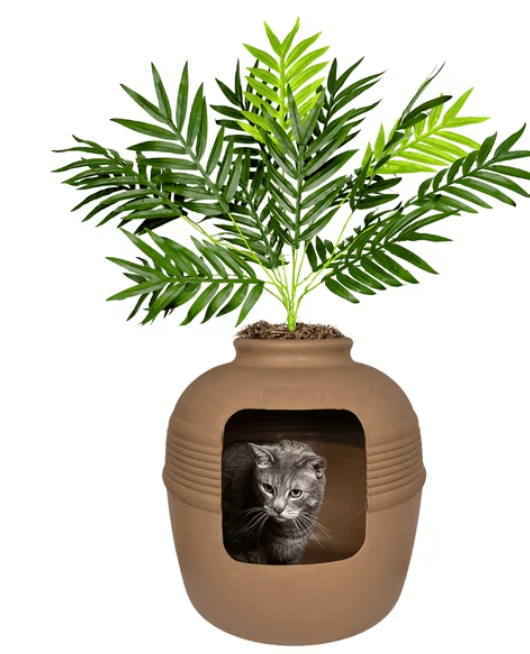
Good Pet Stuff Hidden Cat Litter Box Enclosure with Artificial Plant, Odor Filter System, Original Round Planter, Base Kit, Mocha Brown
- Stylish Round Planter Design: the secret litter box blends with any home décor
- Color: Mocha Brown colorway is our clay-inspired natural style
- Size Chart: measures 19.6”L x 19.6”W x 21.9”H (44.5”H with faux plant)
- Large Space: roomy interior (19”x19 x19”) with a 9.1” x 9.1” front opening
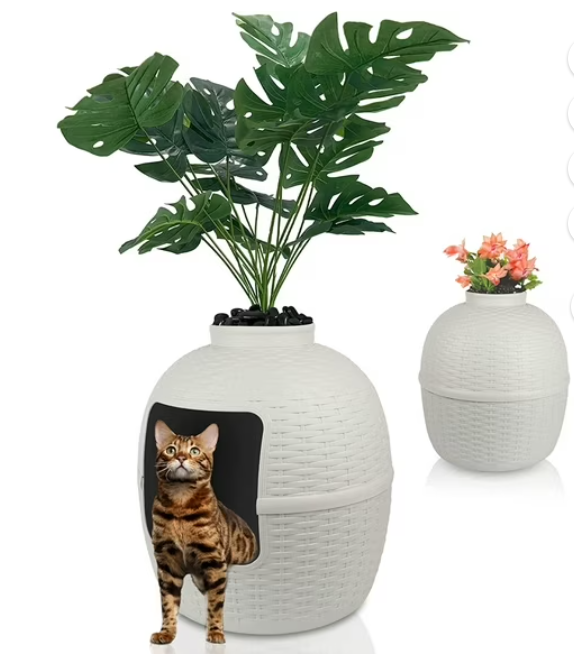
Superjoe Plastic Hidden Cat Litter Box with Decorative Planter,Gray
- Superjoe large-capacity with beautiful decorative woven pattern
- Made of durable polypropylene
- Filtered vented system works to control dust and odor
- Plastic hidden litter box comes with fake vivid and beautiful plants and flower mud foam for creating DIY floral arrangements
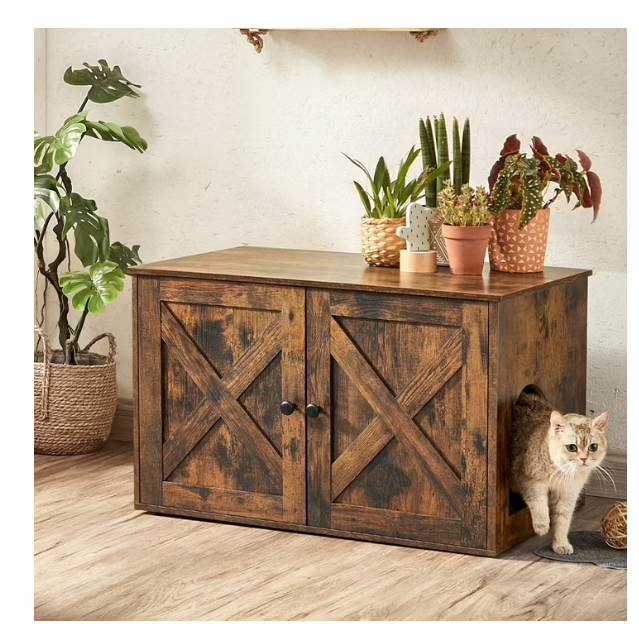
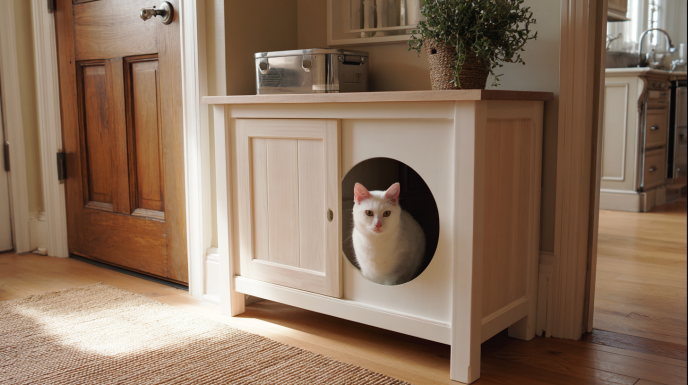
Hidden Cat Litter Box Enclosure Furniture Large Multi-Functional Cat Litter Box Washroom with Removable Divider Brown
- Tired of that unsightly litter box ruining your home’s vibe? Meet the Hidden Cat Litter Box—a chic, rustic enclosure that seamlessly blends into your decor.
Transform Your Living Space with Ingenious Pet Solutions That Actually Look Good
Living with cats shouldn’t mean sacrificing your home’s aesthetic appeal. The days of unsightly plastic litter boxes disrupting your carefully curated living spaces are officially over. Enter the world of hidden litter box furniture – a game-changing innovation that seamlessly blends pet functionality with sophisticated interior design, creating harmony between your feline friend’s needs and your desire for a beautiful home.
What Exactly is Hidden Litter Box Furniture?
Hidden litter box furniture represents the perfect marriage of form and function, disguising your cat’s bathroom needs within pieces that look like regular home furnishings. These ingenious creations transform what was once an eyesore into an integral part of your room’s design scheme. Instead of having a plastic box sitting conspicuously in the corner, you get an attractive piece of furniture that serves a dual purpose – housing your cat’s litter box while contributing to your home’s overall aesthetic.
The concept goes beyond simple concealment. These pieces are carefully engineered to ensure proper ventilation, easy access for cleaning, and optimal comfort for your feline companion. The hidden litter box furniture category has exploded in recent years as more pet owners seek solutions that don’t compromise their interior design vision while providing practical functionality.
Modern versions incorporate sophisticated features like odor control systems, easy-access doors, removable trays for effortless cleaning, and even built-in storage for litter supplies. The transformation is so complete that guests often have no idea they’re looking at a piece of hidden litter box furniture until it’s pointed out to them.
The Ingenious Mechanics Behind Hidden Litter Box Furniture
Understanding how hidden litter box furniture works reveals the thoughtful engineering that goes into these pieces. The basic principle involves creating an enclosed space within what appears to be a standard piece of furniture, complete with proper ventilation and access points that maintain the illusion while ensuring functionality.
Most designs feature a main compartment that houses the litter box, accessible through doors or removable panels that blend seamlessly with the furniture’s design. Ventilation systems are cleverly integrated, often through hidden vents or specially designed air circulation features that prevent odor buildup without compromising the piece’s appearance.
The entry point for your cat is typically designed to look natural within the furniture’s structure. This might be a cat-sized opening that appears to be a decorative element, or a door that opens to reveal the litter area. Some advanced designs even include magnetic closures or spring-loaded mechanisms that ensure the access point closes automatically after your cat exits.
Internal organization varies by design, but most include features like removable litter trays for easy cleaning, internal lighting for better visibility during maintenance, and strategically placed air vents that create natural airflow. The engineering ensures that while the litter box is completely hidden from view, it remains easily accessible for both your cat’s use and your cleaning routine.
The Multitude of Benefits That Come with Hidden Litter Box Furniture
The advantages of investing in hidden litter box furniture extend far beyond simple aesthetics, though the visual improvement alone makes these pieces worthwhile for many homeowners. The primary benefit is the complete integration of pet functionality into your living space without visual disruption. Your carefully designed room maintains its coherence and style while accommodating your pet’s essential needs.
Privacy for your cat represents another significant advantage. Many cats prefer enclosed, quiet spaces for their bathroom activities, and hidden litter box furniture provides exactly that environment. The enclosed design creates a sense of security that many felines find comforting, potentially reducing stress and encouraging consistent litter box use.
From a practical standpoint, these pieces offer superior odor containment compared to open litter boxes. The enclosed design, combined with proper ventilation systems, contains odors more effectively while still allowing necessary airflow. This containment is particularly beneficial in smaller living spaces where traditional litter boxes might overwhelm the area with unpleasant smells.
Space optimization becomes another crucial benefit, especially in compact living situations. Rather than dedicating floor space to a standalone litter box, hidden litter box furniture serves double duty as both functional furniture and pet accommodation. You might gain a side table, cabinet, or bench while solving your litter box placement challenge.
Security and cleanliness improve significantly with enclosed designs. The hidden nature of the litter box reduces the likelihood of litter tracking throughout your home, as many designs include built-in mats or containment features. Additionally, the enclosed space protects the litter area from curious children or other pets who might otherwise investigate or disturb the box.
Material Mastery: What Goes into Quality Hidden Litter Box Furniture
The materials used in hidden litter box furniture play a crucial role in both durability and functionality. Understanding these materials helps you make informed decisions about which pieces will serve you best over time.
Engineered wood products dominate the market, with medium-density fiberboard (MDF) and particle board being common choices for budget-friendly options. These materials offer affordability and can be attractive when properly finished, but they may not withstand moisture as well as other options. For better durability, many manufacturers use moisture-resistant treatments or coatings that help protect against the humid environment that litter boxes can create.
Solid wood construction represents the premium tier of hidden litter box furniture materials. Hardwoods like oak, maple, or birch provide exceptional durability and can withstand years of use while maintaining their appearance. The natural properties of wood also offer some antimicrobial benefits, though proper sealing remains important to prevent moisture absorption.
Plastic and composite materials have gained popularity for their moisture resistance and easy cleaning properties. High-grade plastics can mimic the appearance of wood while offering superior resistance to odors and moisture. Some innovative manufacturers combine plastic internal components with wood exteriors, creating pieces that look luxurious while maintaining practical functionality.
Metal elements often appear in hardware and structural components. Stainless steel hinges, handles, and internal brackets resist corrosion and provide long-lasting functionality. Some modern designs incorporate powder-coated metal frames that offer industrial aesthetics while ensuring structural integrity.
Protective finishes and coatings represent a critical component often overlooked by consumers. Quality hidden litter box furniture features finishes specifically designed to resist moisture, odors, and staining. These might include polyurethane coatings, melamine surfaces, or specialized antimicrobial treatments that help maintain hygiene over time.
Space-Saving Solutions: Hidden Litter Box Furniture for Compact Living
Modern living often means making the most of limited space, and hidden litter box furniture excels in these challenging environments. The key lies in choosing pieces that maximize vertical space utilization while maintaining a minimal footprint.
Corner units represent one of the most space-efficient options available. These triangular pieces tuck neatly into room corners that might otherwise go unused, providing litter box accommodation without impinging on valuable floor space. Many corner designs include additional storage above the litter compartment, creating even more functionality in a compact footprint.
Multi-level designs stack functionality vertically, offering litter box space on the bottom level with storage, seating, or display areas above. These pieces work particularly well in studio apartments or small bedrooms where every square foot matters. The vertical orientation draws the eye upward, potentially making rooms feel larger while solving practical pet care challenges.
Narrow profile pieces cater to tight spaces like hallway alcoves or bathroom corners. These hidden litter box furniture options might be only 12-15 inches deep but can accommodate standard litter boxes while appearing to be slim console tables or storage cabinets. The key is ensuring adequate ventilation in these confined designs.
Convertible and modular options provide flexibility for changing needs. Some pieces can be reconfigured as your space requirements evolve, while others stack or combine with additional units to create larger storage systems. This adaptability makes hidden litter box furniture particularly valuable for renters who might move frequently.
Under-stair solutions capitalize on often-wasted space beneath staircases. Custom or adjustable pieces can fit into these angular spaces, creating discrete litter areas that utilize otherwise unusable square footage. These installations often require careful measurement and sometimes custom fabrication, but they represent excellent space utilization.
Investment Considerations: Understanding Hidden Litter Box Furniture Pricing
The price range for hidden litter box furniture varies dramatically based on materials, construction quality, design complexity, and brand positioning. Understanding these pricing tiers helps you identify options that align with your budget while meeting your functional requirements.
Budget-friendly options typically range from $50 to $150 and usually feature particle board or MDF construction with basic hardware. While these pieces provide the fundamental benefit of hiding your cat’s litter box, they may sacrifice durability and premium features. Basic ventilation, simple door mechanisms, and minimal storage characterize this price range.
Mid-range pieces, spanning $150 to $400, often represent the sweet spot for most consumers. These hidden litter box furniture options typically feature better materials, improved hardware, and additional functionality like built-in storage or enhanced ventilation systems. Construction quality improves significantly in this range, with better joints, more durable finishes, and thoughtful design details.
Premium options command prices from $400 to $800 and deliver exceptional materials, sophisticated features, and superior craftsmanship. Solid wood construction, high-end hardware, advanced odor control systems, and elegant design details characterize this tier. Many premium pieces could easily pass for expensive furniture even without their hidden functionality.
Luxury and custom pieces exceed $800 and can reach several thousand dollars for elaborate designs or custom installations. These hidden litter box furniture pieces often feature exotic materials, complex mechanical systems, smart technology integration, or bespoke craftsmanship. While expensive, they represent the pinnacle of form and function integration.
Several factors influence pricing beyond basic construction. Size significantly impacts cost, with larger pieces requiring more materials and often more complex engineering. Additional features like lighting, automatic ventilation, or electronic components add to the price. Brand reputation and country of manufacture also affect pricing, with domestic or European pieces typically commanding premium prices over imports.
Maintenance Mastery: Keeping Your Hidden Litter Box Furniture Pristine
Proper maintenance of hidden litter box furniture ensures longevity while maintaining hygiene and appearance. The enclosed nature of these pieces requires slightly different cleaning approaches compared to traditional open litter boxes.
Daily maintenance begins with regular litter box scooping, just as with any litter setup. However, hidden litter box furniture benefits from additional attention to ventilation areas and internal surfaces. Quick daily inspections help identify any issues before they become problems.
Weekly deep cleaning routines should include complete removal of the litter box for thorough cleaning of the internal compartment. Most quality pieces feature removable trays or liners that make this process straightforward. The internal surfaces can be wiped down with pet-safe disinfectants, paying special attention to corners and ventilation areas where odors might accumulate.
Monthly maintenance expands to include hardware inspection and lubrication. Door hinges, magnetic closures, and any moving parts benefit from regular attention to ensure smooth operation. This is also an ideal time to inspect the structural integrity of the piece and address any loose screws or hardware issues.
Seasonal deep cleaning involves complete disassembly where possible for thorough sanitization. This might include removing doors, trays, and any removable components for individual cleaning. It’s also an opportunity to inspect and replace any filters or odor control elements that might be part of the system.
Material-specific care requirements vary based on the construction of your hidden litter box furniture. Wood pieces may benefit from occasional conditioning or touch-up finishing, while plastic components might need different cleaning products to maintain their appearance. Always consult manufacturer guidelines for specific care recommendations.
Odor Control Excellence: How Hidden Litter Box Furniture Manages Unpleasant Smells
One of the most compelling reasons to invest in hidden litter box furniture is superior odor management compared to traditional open litter boxes. The enclosed design creates opportunities for sophisticated odor control that simply aren’t possible with conventional setups.
Containment represents the first line of defense against odors. The enclosed nature of hidden litter box furniture prevents odors from immediately dispersing throughout your living space. Instead, they’re contained within the furniture piece where various control mechanisms can address them more effectively.
Strategic ventilation systems create controlled airflow that helps manage odors without allowing them to escape into your room. Many designs incorporate intake and exhaust vents positioned to create natural circulation that carries odors away from the litter area. Some premium pieces include small fans or air circulation systems that actively manage airflow.
Activated carbon filters appear in many advanced designs, providing chemical odor absorption beyond simple ventilation. These filters can be integrated into ventilation pathways or placed in strategic locations within the furniture piece. Regular filter replacement maintains optimal odor control performance.
Antimicrobial treatments on internal surfaces help prevent odor-causing bacteria from establishing themselves within the furniture. These treatments can be applied during manufacturing or added as part of regular maintenance routines. Quality hidden litter box furniture often features these treatments as standard equipment.
Negative pressure systems in some premium designs create slight air pressure differences that help contain odors within the unit. These systems work similarly to laboratory fume hoods, ensuring that air flows into the unit rather than allowing odors to escape.
Contemporary Aesthetics: Modern Hidden Litter Box Furniture Styles for 2025
The design landscape for hidden litter box furniture has evolved dramatically, with 2025 bringing fresh approaches that align with current interior design trends. Modern styles emphasize clean lines, multifunctional design, and seamless integration with contemporary home aesthetics.
Minimalist designs dominate the current market, featuring simple geometric forms and neutral color palettes that complement modern interior schemes. These pieces often incorporate flat-panel doors, simple hardware, and understated profiles that blend seamlessly with contemporary furniture collections. The emphasis is on functional invisibility – pieces that serve their purpose while maintaining visual quiet.
Scandinavian-inspired hidden litter box furniture brings the popular Nordic aesthetic to pet furniture design. Light woods, simple forms, and functional beauty characterize these pieces. Clean lines and natural materials create pieces that could easily be mistaken for premium Scandinavian furniture brands.
Industrial themes incorporate materials like metal and concrete-look finishes, appealing to urban loft aesthetics. These pieces often feature visible hardware elements, darker color schemes, and robust construction that speaks to industrial design sensibilities. The functional nature of hidden litter box furniture aligns naturally with industrial design’s emphasis on purposeful objects.
Mid-century modern revival brings retro sophistication to pet furniture. These designs feature characteristic tapered legs, warm wood tones, and the clean geometric forms that defined 1950s and 1960s furniture design. The hidden functionality adds a contemporary twist to classic aesthetic principles.
Smart technology integration represents the cutting edge of modern hidden litter box furniture design. These pieces might include automated cleaning systems, app-controlled ventilation, or monitoring systems that track your cat’s litter box usage. While still emerging, these high-tech options point toward the future of pet furniture design.
Durability Deep Dive: Choosing Hidden Litter Box Furniture That Lasts
Investing in durable hidden litter box furniture requires understanding the factors that contribute to longevity in the challenging environment these pieces must endure. The combination of moisture, odors, and regular use creates unique durability requirements.
Construction quality forms the foundation of durability. Look for pieces with solid joinery techniques like dovetail joints, pocket screws, or mortise and tenon connections rather than simple butt joints with basic fasteners. Quality construction ensures the piece maintains its structural integrity despite regular use and the stresses of housing a litter box.
Hardware selection significantly impacts long-term functionality. Stainless steel or brass hardware resists corrosion in the humid environment that litter boxes create. Cheap plated hardware will eventually corrode and fail, compromising both function and appearance. Quality hinges, handles, and closure mechanisms justify their higher initial cost through extended service life.
Material moisture resistance determines how well hidden litter box furniture withstands the challenging environment it must endure. Solid wood with proper sealing, moisture-resistant engineered products, or high-grade plastics all offer different approaches to moisture management. The key is ensuring whatever material you choose has been properly treated for its intended use.
Finish durability protects the underlying materials while maintaining appearance over time. Quality finishes resist scratching, staining, and odor absorption while providing easy cleaning surfaces. Some finishes include antimicrobial properties that help maintain hygiene over extended periods.
Modular or replaceable components add to long-term value by allowing you to refresh or repair parts of the piece without replacing the entire unit. Removable trays, replaceable filters, or modular door systems let you maintain optimal function even as components wear with use.
Dual-Purpose Design: When Hidden Litter Box Furniture Does Double Duty
The concept of hidden litter box furniture reaches its full potential when pieces serve multiple functions simultaneously. These dual-purpose designs maximize value while minimizing the furniture footprint in your home.
Storage integration transforms hidden litter box furniture into comprehensive organization solutions. Many pieces include compartments for storing litter supplies, cleaning equipment, or general household items. Upper cabinets, side drawers, or built-in shelving turn necessary pet furniture into valuable storage assets.
Seating options create pieces that function as benches or ottomans while concealing litter boxes below. These designs work particularly well in entryways, bedrooms, or living areas where additional seating is welcome. Proper weight distribution and structural engineering ensure these pieces can safely support human weight while maintaining their primary function.
Table surfaces add functionality by creating display areas, work surfaces, or decorative staging areas above the hidden litter compartment. These hidden litter box furniture pieces might serve as side tables, console tables, or even desk surfaces depending on their design and proportions.
Entertainment center integration creates sophisticated pieces that house both pet facilities and entertainment equipment. These complex designs might include television mounting, component storage, and cable management while maintaining discrete litter box accommodation.
Plant stands and decorative displays turn hidden litter box furniture into attractive focal points. The flat surfaces and often ideal proportions of these pieces make them excellent platforms for displaying plants, artwork, or decorative objects. The hidden functionality becomes completely invisible beneath attractive displays.
Customization Possibilities: Tailoring Hidden Litter Box Furniture to Your Needs
The growing market for hidden litter box furniture has spawned numerous customization options, allowing you to create pieces that perfectly match your specific requirements and aesthetic preferences.
Size customization addresses the reality that homes and cats come in different dimensions. Custom sizing ensures your hidden litter box furniture fits perfectly in your intended space while accommodating your specific litter box preferences. Whether you need an extra-narrow piece for a tight hallway or an oversized unit for multiple cats, custom sizing delivers perfect fits.
Finish and color matching lets you coordinate pieces with existing furniture or room color schemes. Many manufacturers offer extensive finish libraries, while others can match specific paint colors or wood stains. This customization ensures your hidden litter box furniture integrates seamlessly with your current décor.
Hardware selection allows you to choose handles, hinges, and closure mechanisms that match your style preferences and functional needs. From sleek modern handles to traditional cabinet hardware, these details significantly impact the piece’s final appearance and user experience.
Internal configuration customization optimizes the piece for your specific needs. This might include adjustable shelving, specific ventilation requirements, or accommodation for particular litter box styles. Internal lighting, specialized storage, or unique access configurations can all be incorporated into custom designs.
Technology integration represents an emerging customization category. Smart home compatibility, automated cleaning systems, or health monitoring capabilities can be incorporated into custom hidden litter box furniture designs for tech-savvy pet owners.
Brand Landscape: Leading Names in Hidden Litter Box Furniture
The hidden litter box furniture market features several established brands alongside emerging companies bringing fresh approaches to this specialized category. Understanding the brand landscape helps identify reliable options and quality indicators.
Established furniture companies have entered the pet furniture market, bringing manufacturing expertise and design sophistication to hidden litter box furniture. These companies often offer superior construction quality and finish options, though they may command premium prices for their reputation and manufacturing standards.
Specialized pet furniture manufacturers focus exclusively on products for pet owners, developing deep expertise in the unique requirements of hidden litter box furniture. These companies often offer innovative features and understand the specific challenges of designing furniture for pet use.
Artisan and custom manufacturers provide bespoke hidden litter box furniture solutions for customers seeking unique designs or perfect fits for challenging spaces. While more expensive, these options deliver unmatched customization and often superior craftsmanship.
Online-first brands leverage direct-to-consumer sales models to offer competitive pricing on quality hidden litter box furniture. These companies often provide detailed product information, customer reviews, and straightforward return policies that make online purchasing more comfortable.
International manufacturers, particularly from countries with strong furniture-making traditions, offer various approaches to hidden litter box furniture design. European manufacturers often emphasize environmental responsibility and sophisticated design, while Asian manufacturers may focus on innovative features and competitive pricing.
Environmental Consciousness: Eco-Friendly Hidden Litter Box Furniture Options
Environmental awareness increasingly influences consumer choices, and the hidden litter box furniture market has responded with various eco-friendly options that minimize environmental impact while maintaining functionality and style.
Sustainable material sourcing represents the foundation of eco-friendly hidden litter box furniture. This includes using wood from responsibly managed forests, certified by organizations like the Forest Stewardship Council (FSC). Bamboo has emerged as an excellent alternative, offering rapid renewability and comparable durability to traditional hardwoods.
Recycled and reclaimed materials provide another avenue for environmental responsibility. Some manufacturers incorporate recycled plastics, reclaimed wood, or other recovered materials into their hidden litter box furniture designs. These approaches divert waste from landfills while creating attractive, functional pieces.
Low-emission finishes and adhesives address indoor air quality concerns while reducing environmental impact during manufacturing. Water-based finishes, formaldehyde-free adhesives, and natural oil finishes provide attractive, durable results without compromising environmental standards.
Local manufacturing reduces transportation environmental costs while supporting regional economies. Some hidden litter box furniture manufacturers emphasize local production, using regional materials and craftspeople to minimize their carbon footprint while delivering quality products.
End-of-life considerations include designing pieces for disassembly and material recovery. Quality hidden litter box furniture built with separable components and recyclable materials ensures responsible disposal when the piece eventually reaches the end of its useful life.
Multi-Cat Households: Scaling Hidden Litter Box Furniture Solutions
Households with multiple cats face unique challenges when implementing hidden litter box furniture solutions. The general rule of one litter box per cat plus one extra requires careful planning to maintain both functionality and aesthetics.
Larger capacity units accommodate multiple litter boxes within single pieces of furniture. These hidden litter box furniture designs might feature side-by-side compartments, multiple levels, or expandable configurations that house several litter boxes while maintaining a cohesive appearance.
Modular systems allow you to combine multiple pieces into coordinated groupings that serve several cats while maintaining design coherence. These systems often feature pieces that stack, connect, or arrange in various configurations to adapt to different space requirements and cat populations.
Strategic placement becomes crucial in multi-cat households to ensure adequate access while preventing territorial conflicts. Multiple hidden litter box furniture pieces distributed throughout the home provide options while maintaining the aesthetic benefits of hidden litter solutions.
Traffic flow considerations ensure cats can access their facilities without creating congestion or stress. Well-designed hidden litter box furniture for multi-cat homes includes thoughtful entry and exit planning that minimizes conflicts between cats using the facilities.
Maintenance scaling addresses the increased cleaning and upkeep requirements of multiple litter boxes. Quality hidden litter box furniture for multi-cat households often includes features that streamline cleaning routines, such as removable trays, easy-access panels, or built-in storage for cleaning supplies.
Assembly Considerations: What to Expect When Your Hidden Litter Box Furniture Arrives
Understanding assembly requirements helps set appropriate expectations and ensures successful installation of your hidden litter box furniture. Assembly complexity varies significantly across different designs and price points.
Ready-to-assemble (RTA) furniture dominates the hidden litter box furniture market, offering cost savings through efficient shipping while requiring customer assembly. These pieces typically arrive with detailed instructions, all necessary hardware, and pre-drilled holes that simplify the assembly process.
Tool requirements vary but usually include basic items like screwdrivers, Allen keys, and sometimes hammers or drills. Quality hidden litter box furniture manufacturers include any specialized tools required for assembly, though having a basic tool kit available streamlines the process.
Assembly time ranges from 30 minutes for simple designs to several hours for complex pieces with multiple features. Realistic time estimates help you plan assembly sessions when you have adequate time and energy to complete the project properly.
Skill level requirements vary, with most hidden litter box furniture designed for assembly by people with basic DIY skills. Clear instructions, logical assembly sequences, and quality hardware design ensure successful completion even for those with limited furniture assembly experience.
Pre-assembled options are available for those who prefer to avoid assembly altogether. These pieces arrive ready to use but typically cost more due to increased shipping expenses and handling requirements. Some manufacturers offer assembly services for an additional fee.
Size Selection: Matching Hidden Litter Box Furniture to Your Space and Needs
Choosing the right size hidden litter box furniture requires balancing your cat’s needs, your space constraints, and your aesthetic preferences. Proper sizing ensures both functionality and visual harmony in your home.
Litter box accommodation represents the primary sizing constraint. Your hidden litter box furniture must comfortably house your preferred litter box style and size while allowing adequate clearance for your cat to enter, turn around, and exit comfortably. Manufacturers typically specify compatible litter box dimensions.
Room proportions influence the visual impact of your hidden litter box furniture. A piece that’s too small may look lost in a large room, while an oversized piece can overwhelm a compact space. Consider the piece’s relationship to surrounding furniture and architectural elements.
Clearance requirements ensure proper access for both cats and humans. Your cat needs adequate approach space to use the litter box comfortably, while you need sufficient clearance for cleaning and maintenance activities. Factor in door swings, drawer pulls, and access panel operations.
Growth considerations account for potential changes in your household. If you might add cats or move to different spaces, choosing slightly larger hidden litter box furniture provides flexibility for future needs. However, avoid over-sizing, which can waste space and look disproportionate.
Multi-functional sizing optimizes pieces that serve additional purposes beyond litter box concealment. Seating height, table surface dimensions, and storage capacity all influence sizing decisions for hidden litter box furniture that serves multiple functions.
The Future of Feline Furniture: Trends Shaping Hidden Litter Box Design
The hidden litter box furniture category continues evolving as manufacturers respond to changing consumer preferences, technological advances, and lifestyle trends. Understanding these developments helps inform current purchasing decisions while anticipating future innovations.
Smart technology integration represents one of the most significant trends affecting hidden litter box furniture design. Internet connectivity, smartphone apps, automated cleaning systems, and health monitoring capabilities are increasingly appearing in premium pieces. These features transform basic furniture into sophisticated pet care systems.
Sustainable design principles increasingly influence material choices, manufacturing processes, and end-of-life considerations. Eco-conscious consumers drive demand for hidden litter box furniture made from sustainable materials with minimal environmental impact throughout their lifecycle.
Customization and personalization options expand as manufacturing technology makes small-batch and made-to-order production more economical. Advanced design tools and flexible manufacturing processes enable hidden litter box furniture tailored to specific spaces, preferences, and functional requirements.
Multi-functional design continues evolving as living spaces become smaller and more expensive. Future hidden litter box furniture will likely incorporate even more functions, maximizing value while minimizing space requirements for urban and compact living situations.
Aesthetic sophistication advances as the category matures and consumer expectations increase. Hidden litter box furniture increasingly matches the design quality and aesthetic sophistication of mainstream furniture while maintaining its specialized functionality.
The revolution in hidden litter box furniture represents more than just a trend – it’s a fundamental shift in how we approach pet ownership in modern homes. By successfully merging practical necessity with aesthetic sophistication, these innovative pieces solve real problems while enhancing rather than compromising our living spaces.
The benefits extend beyond simple concealment, offering improved odor control, better space utilization, enhanced privacy for cats, and seamless integration with existing décor. As the category continues maturing, we can expect even more sophisticated solutions that push the boundaries of what furniture can accomplish.
Whether you’re dealing with a studio apartment’s space constraints, seeking to maintain a sophisticated aesthetic, or simply tired of looking at an unsightly litter box, hidden litter box furniture offers solutions that transform this necessary evil into an integrated, attractive element of your home. The investment in quality pieces pays dividends in daily satisfaction, improved home aesthetics, and enhanced quality of life for both you and your feline companions.
The future promises even more innovative approaches to this challenge, with smart technology, sustainable materials, and increasingly sophisticated designs continuing to elevate the hidden litter box furniture category. For cat owners who refuse to compromise on style, these pieces represent the perfect solution to one of pet ownership’s most persistent challenges.