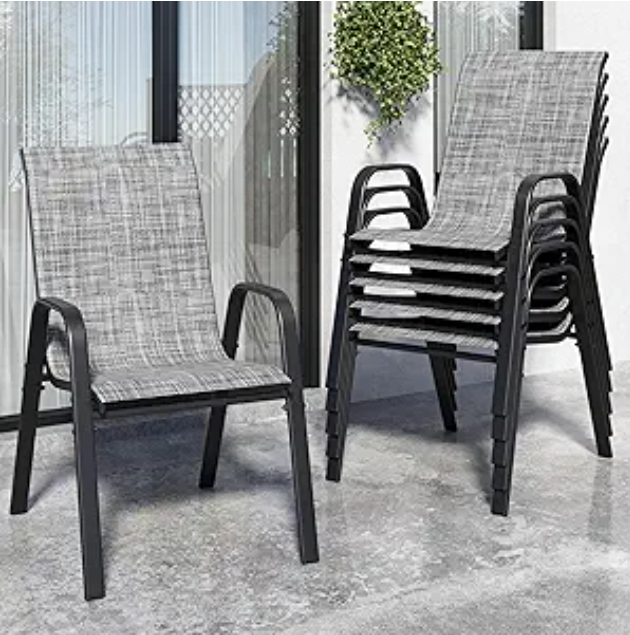
Patio Chairs Set of 6, Stackable Outdoor Dining Chairs for All Weather Textilene Fabric & Metal Frame, Outdoor Chairs Set for Backyard Deck Garden
- The sleek, modern design of these outdoor patio chairs adds style and sophistication to your outdoor decor while providing a comfortable seating experience.Wider seat and ergonomic backrest designed to comfortably fit the contours of the human spine.
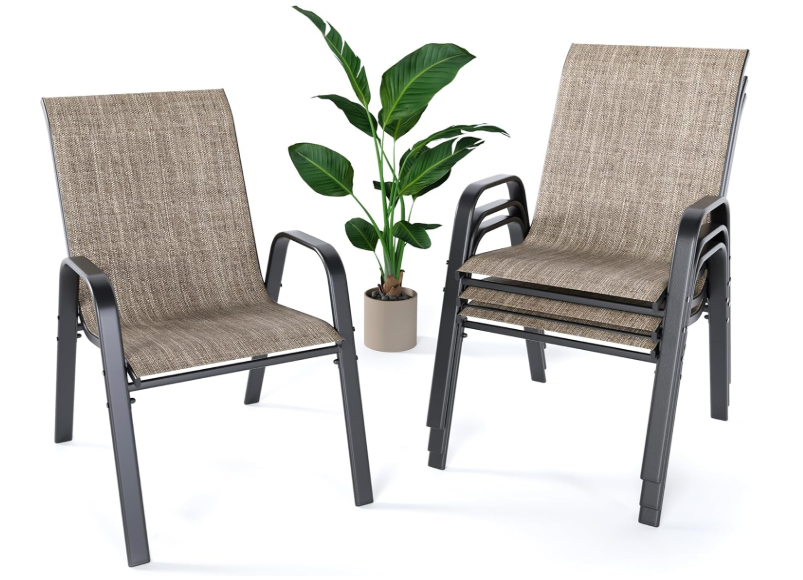
Outdoor Patio Chairs Set of 4 Stackable Dining Chairs All-Weather Textilene Furniture Set for Pool Deck, Backyard, Garden
- Our outdoor chair set gives you the ability to match and place at will according to the venue. With seats for a group, you can enjoy brunch, dinners, gatherings, relaxing by the poolside or garden yard, and all sorts of other outdoor events.
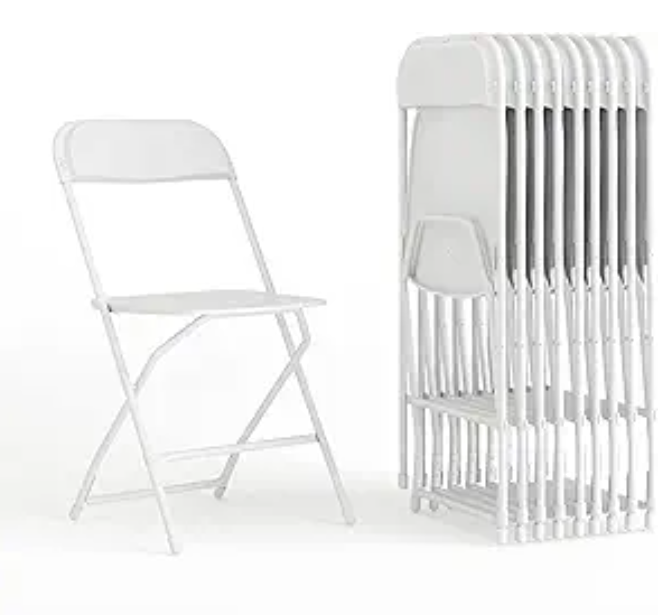
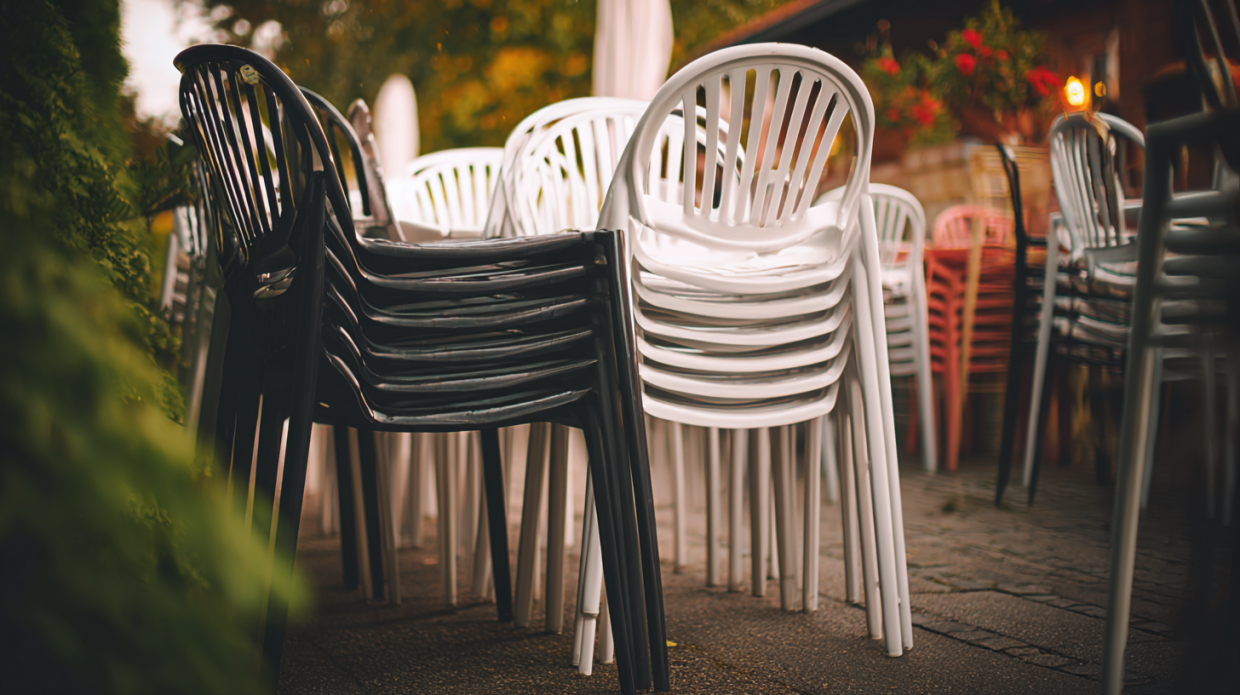
Flash Furniture Hercules Set of 10 Indoor/Outdoor Heavy-Duty Plastic Folding Chairs, Foldable Commercial Stacking Chairs with 650-lb. Static Weight Capacity, White
- Offers reliable, on-demand seating for commercial or home uses such as corporate events, game nights, school functions, weddings, barbecues, and other events or get-togethers
Discover how these innovative seating solutions can revolutionize your garden entertaining while maximizing space and minimizing storage hassles
When it comes to creating the perfect outdoor entertaining space, few pieces of furniture offer the versatility and practicality of garden furniture stacking chairs. These ingenious seating solutions have revolutionized how we approach outdoor dining, hosting garden parties, and making the most of limited patio space. Whether you’re planning an intimate dinner for two or a bustling barbecue for twenty, stacking chairs provide the flexibility to accommodate any gathering while maintaining a clutter-free outdoor environment.
The beauty of garden furniture stacking chairs lies not just in their space-saving design, but in their ability to seamlessly blend functionality with aesthetic appeal. Gone are the days when practical outdoor furniture meant compromising on style. Today’s stacking chairs come in an array of designs, materials, and colors that can complement any garden theme, from minimalist modern to rustic cottage charm.
Understanding Garden Furniture Stacking Chairs: More Than Just Seats
Garden furniture stacking chairs are specially designed outdoor seating solutions that can be efficiently stacked on top of one another when not in use. This innovative design feature allows multiple chairs to occupy the same footprint as a single chair, making them ideal for gardens, patios, balconies, and commercial outdoor spaces where storage is at a premium.
The concept behind stacking chairs is elegantly simple yet remarkably effective. Each chair is engineered with specific proportions and curves that allow it to nestle securely within the chair below it. This creates a stable stack that can typically accommodate anywhere from four to ten chairs, depending on the specific design and manufacturer specifications.
What sets quality garden furniture stacking chairs apart from their indoor counterparts is their enhanced durability and weather resistance. These chairs must withstand the harsh realities of outdoor life, including UV radiation, temperature fluctuations, moisture, and seasonal storms. Manufacturers achieve this resilience through careful material selection, specialized treatments, and robust construction techniques.
The versatility of stacking chairs extends beyond their storage capabilities. Many homeowners appreciate how quickly they can transform their outdoor space from a quiet retreat to an entertainment hub. When unexpected guests arrive or a spontaneous gathering develops, additional seating can be deployed in seconds, eliminating the awkward scramble for extra chairs or the disappointment of having to limit guest numbers.
Where to Source Your Perfect Stacking Chairs
Finding the right garden furniture stacking chairs requires exploring various retail channels, each offering unique advantages. Traditional garden centers remain excellent starting points, providing the opportunity to physically test chairs for comfort, stability, and build quality. Knowledgeable staff at these locations can offer valuable insights about local weather considerations and maintenance requirements.
Online retailers have dramatically expanded the selection available to consumers, often featuring exclusive designs and competitive pricing. Major e-commerce platforms showcase hundreds of stacking chair options, complete with detailed specifications, customer reviews, and high-resolution images. However, purchasing sight unseen requires careful attention to return policies and shipping considerations, particularly for bulky furniture items.
Warehouse clubs and big-box retailers frequently stock garden furniture stacking chairs during peak outdoor seasons, offering significant savings for bulk purchases. These venues are particularly valuable for commercial buyers or large families needing substantial quantities. The trade-off often involves limited selection and seasonal availability.
Specialty outdoor furniture showrooms provide access to premium brands and custom options. While typically more expensive, these retailers often offer superior customer service, delivery options, and long-term warranty support. They’re particularly valuable for customers seeking specific style coordination or professional design consultation.
Direct manufacturer purchases can yield significant savings, especially for popular models. Many furniture manufacturers operate factory outlets or online direct-sales programs. This approach requires more research but can provide access to discontinued colors, prototype designs, or bulk pricing typically reserved for commercial accounts.
Material Matters: Choosing the Right Foundation for Longevity
The material composition of garden furniture stacking chairs fundamentally determines their durability, comfort, maintenance requirements, and aesthetic appeal. Understanding the properties of different materials empowers informed purchasing decisions that align with specific needs and environmental conditions.
Aluminum stands as perhaps the most popular material for premium stacking chairs. Its natural resistance to rust and corrosion makes it ideal for coastal environments or regions with high humidity. Aluminum chairs typically feature powder-coated finishes that provide additional protection while enabling vibrant color options. The lightweight nature of aluminum makes moving and stacking effortless, while its strength ensures structural integrity under normal use conditions.
Powder-coated steel offers exceptional durability at a moderate price point. The powder coating process creates a hard, protective shell that resists scratching, chipping, and fading. Steel’s inherent strength allows for more delicate design elements and refined curves. However, any coating damage can expose the underlying metal to rust, making prompt repair important for long-term preservation.
Plastic and resin garden furniture stacking chairs have evolved dramatically from their humble beginnings. Modern high-density polyethylene and polypropylene chairs offer surprising durability while maintaining affordability. These materials naturally resist moisture, insects, and UV degradation when properly formulated. Advanced manufacturing techniques now produce plastic chairs with sophisticated textures and colors that rival more expensive materials.
Wicker and rattan, whether natural or synthetic, provide timeless aesthetic appeal. Natural wicker requires more maintenance but offers unmatched beauty and comfort. Synthetic alternatives capture the visual appeal while providing enhanced weather resistance and easier care. Quality synthetic wicker can withstand years of outdoor exposure without significant deterioration.
Teak and other hardwoods represent the premium end of outdoor furniture materials. These woods naturally contain oils that resist moisture and insect damage. However, wooden stacking chairs require regular maintenance to preserve their appearance and structural integrity. The weight of wood also makes stacking more cumbersome compared to lighter alternatives.
Investment Considerations: Understanding the Price Spectrum
The price range for garden furniture stacking chairs spans from budget-friendly options under fifty dollars per chair to premium designer pieces exceeding several hundred dollars each. Understanding what drives these price differences helps buyers make informed decisions that balance budget constraints with performance expectations.
Entry-level plastic chairs typically represent the most affordable option, with basic models available for twenty to forty dollars per chair. These chairs prioritize functionality over aesthetics and may lack advanced UV protection or ergonomic refinements. However, they serve perfectly well for occasional use or temporary seating needs.
Mid-range options, typically priced between fifty and one hundred fifty dollars per chair, often provide the best value proposition. This category includes quality aluminum chairs, well-constructed steel options, and premium plastic designs. These chairs usually feature enhanced comfort elements, better finish quality, and improved warranty coverage.
Premium garden furniture stacking chairs command higher prices through superior materials, advanced engineering, and design innovation. Chairs in the two hundred to four hundred dollar range often feature aluminum construction, ergonomic design elements, and comprehensive weather protection. These investments typically provide decades of reliable service with minimal maintenance.
Ultra-premium options exceed four hundred dollars per chair and often represent designer collaborations or specialized applications. These chairs might feature exotic materials, hand-finished details, or limited production runs. While beautiful, they’re typically unnecessary for most residential applications.
Commercial-grade chairs occupy a special category, prioritizing durability and stack efficiency over residential comfort features. These chairs often provide excellent value for large residential purchases while meeting stringent commercial performance standards.
Seasonal pricing patterns significantly affect garden furniture stacking chairs costs. Early spring typically sees highest prices as demand peaks. Late summer and fall often provide substantial savings as retailers clear inventory. End-of-season sales can yield savings of thirty to fifty percent on quality chairs.
The Compelling Benefits of Choosing Stacking Designs
Garden furniture stacking chairs offer numerous advantages that make them increasingly popular among homeowners and commercial users alike. Space efficiency represents perhaps the most obvious benefit, but the advantages extend far beyond simple storage considerations.
Storage efficiency transforms how outdoor spaces function. Traditional garden chairs often consume valuable storage space in garages, sheds, or basements during off-seasons. Stacking chairs minimize this footprint dramatically, often reducing storage requirements by seventy to eighty percent compared to non-stacking alternatives. This efficiency proves particularly valuable in urban environments where storage space commands premium prices.
Flexibility in entertaining scenarios makes garden furniture stacking chairs invaluable for active households. The ability to quickly adjust seating capacity allows hosts to accommodate intimate gatherings or larger celebrations without permanent furniture commitments. This adaptability eliminates the need to own multiple seating sets or resort to uncomfortable temporary solutions.
Maintenance simplification represents another significant advantage. When chairs stack efficiently, cleaning underneath and around them becomes straightforward. This accessibility prevents the accumulation of debris, reduces pest habitat, and maintains a cleaner outdoor environment. Additionally, stacked chairs present less surface area for dust and pollen accumulation.
Economic efficiency emerges through reduced replacement costs and extended furniture lifespan. When chairs are properly stored, they suffer less weather exposure and physical damage. This protection translates into longer service life and delayed replacement schedules. For commercial applications, this efficiency can significantly impact operating costs.
Design flexibility allows stacking chairs to complement various outdoor themes without permanent commitment. Unlike built-in seating or heavy traditional furniture, stacking chairs can be easily relocated, reconfigured, or replaced as design preferences evolve. This adaptability proves particularly valuable for renters or homeowners who frequently update their outdoor aesthetics.
Weather Resistance: Engineering for Outdoor Durability
The weatherproof capabilities of garden furniture stacking chairs represent critical performance characteristics that distinguish outdoor furniture from indoor alternatives. Manufacturers employ various strategies to ensure chairs withstand years of exposure to rain, snow, UV radiation, and temperature extremes.
UV protection stands as perhaps the most important weatherproofing consideration. Ultraviolet radiation gradually breaks down most materials, causing fading, brittleness, and structural degradation. Quality garden furniture stacking chairs incorporate UV stabilizers in their material formulations or protective coatings that absorb or reflect harmful radiation. Premium chairs often feature fade warranties that guarantee color retention for specific periods.
Moisture resistance prevents the rot, rust, and mold issues that plague inferior outdoor furniture. Aluminum and plastic chairs naturally resist moisture damage, while steel options rely on protective coatings. Drainage features, such as holes or channels, prevent water accumulation that could lead to staining or structural damage. Quick-drying materials and finishes minimize moisture retention that could support mold or mildew growth.
Temperature stability ensures chairs maintain their structural integrity across seasonal extremes. Materials expand and contract with temperature changes, and quality chairs are engineered to accommodate these movements without cracking or loosening. Joints and connection points receive particular attention to prevent failure during thermal cycling.
Salt air resistance becomes crucial for coastal installations. Marine environments pose unique challenges through salt spray that can accelerate corrosion and degradation. Garden furniture stacking chairs intended for coastal use often feature enhanced protective treatments or materials specifically chosen for marine compatibility.
Wind resistance considerations become important in exposed locations. Lightweight chairs offer stacking advantages but may require securing during storms. Many manufacturers provide specific wind resistance ratings or recommend securing methods for high-wind environments.
Proper weatherproofing extends beyond material selection to include design elements that shed water, resist debris accumulation, and provide structural stability under various weather conditions. Quality manufacturers test their products under accelerated aging conditions that simulate years of outdoor exposure in compressed timeframes.
Maximizing Storage Efficiency: Understanding Stack Dynamics
The stacking capacity of garden furniture stacking chairs varies significantly based on design philosophy, safety considerations, and intended applications. Understanding these limitations helps users maximize storage efficiency while maintaining safety and preserving chair longevity.
Most residential stacking chairs safely accommodate four to six chairs per stack under normal storage conditions. This limitation balances storage efficiency with stability and ease of handling. Attempting to exceed recommended stacking heights can result in toppling, damage to lower chairs, or difficulty accessing individual chairs from the stack.
Commercial-grade garden furniture stacking chairs often support higher stacking densities, sometimes accommodating eight to twelve chairs per stack. These designs incorporate enhanced structural elements and more precise manufacturing tolerances that enable stable high stacking. However, commercial applications typically involve trained staff and specialized handling equipment.
Weight distribution becomes critical for stable stacking. Quality chairs feature carefully designed contact points that distribute load evenly across the stack. These contact points must be robust enough to support substantial weight while being positioned to maintain balance. Inferior designs may exhibit instability or damage under stacking loads.
Environmental factors influence safe stacking practices. Outdoor storage requires consideration of wind exposure, which can destabilize tall stacks. Covered storage areas typically allow higher stacking densities while protecting chairs from weather exposure. Ground conditions also affect stability, with level, solid surfaces providing the safest stacking foundation.
Access considerations impact practical stacking decisions. While chairs may physically stack to impressive heights, accessing chairs from the middle of a tall stack becomes cumbersome. Most users find four to six chair stacks provide the optimal balance between storage efficiency and practical accessibility.
Protective measures can extend the safe stacking capacity of garden furniture stacking chairs. Stacking covers protect the entire stack from weather exposure while potentially providing additional stability. Individual chair covers or separators can prevent scratching and provide cushioning between chairs.
Durability Champions: Materials and Designs That Last
Identifying the most durable garden furniture stacking chairs requires understanding how different materials and construction methods perform under long-term outdoor exposure. Durability encompasses resistance to weather, structural integrity under use, and maintenance of appearance over time.
Marine-grade aluminum chairs consistently rank among the most durable options available. These chairs utilize aluminum alloys specifically formulated for corrosive environments and feature anodized or powder-coated finishes that provide exceptional protection. Quality marine-grade chairs can withstand decades of exposure with minimal maintenance while retaining structural integrity and aesthetic appeal.
Commercial-grade steel chairs, when properly coated and maintained, offer exceptional longevity at moderate cost. The key lies in maintaining the protective coating integrity through prompt repair of any damage. High-quality powder coating can provide twenty to thirty years of protection under normal residential conditions.
Premium polymer garden furniture stacking chairs made from high-density polyethylene or polypropylene can rival metal alternatives for durability while offering superior comfort and lighter weight. These materials naturally resist UV degradation, moisture absorption, and chemical damage. Quality plastic chairs can provide fifteen to twenty years of reliable service with minimal care.
Stainless steel represents the ultimate in corrosion resistance but commands premium pricing. Grade 316 stainless steel, commonly used in marine applications, provides unmatched resistance to rust and corrosion. However, the weight and cost typically limit stainless steel to specialized applications or ultra-premium furniture lines.
Composite materials combining different elements can optimize multiple performance characteristics. Aluminum frames with polymer seats and backs, for example, provide structural strength with enhanced comfort. These hybrid approaches often deliver superior overall performance compared to single-material designs.
Construction quality significantly impacts durability regardless of material choice. Welded joints typically outlast mechanical fasteners, while hidden fasteners eliminate corrosion-prone exposed hardware. Quality manufacturers invest in precision manufacturing that ensures consistent fit and finish while minimizing stress concentrations that could lead to premature failure.
Embracing Sustainability: Eco-Friendly Stacking Solutions
Environmental consciousness increasingly influences purchasing decisions for garden furniture stacking chairs, driving manufacturers to develop more sustainable options. These eco-friendly alternatives address concerns about resource consumption, manufacturing impact, and end-of-life disposal while maintaining performance standards.
Recycled aluminum chairs represent perhaps the most established eco-friendly option. Aluminum recycling requires only five percent of the energy needed for primary production while producing identical performance characteristics. Many manufacturers now prominently feature recycled content percentages, with some chairs containing ninety percent or more recycled material.
Recycled plastic garden furniture stacking chairs transform waste streams into functional furniture. Post-consumer plastic bottles, industrial waste, and other plastic products find new life as durable outdoor chairs. These products prevent waste from entering landfills while reducing demand for virgin plastic production. Advanced recycling technologies now produce recycled plastic chairs that rival virgin material alternatives in appearance and performance.
Responsibly sourced wood options appeal to environmentally conscious consumers who prefer natural materials. Certification programs such as Forest Stewardship Council (FSC) ensure wood originates from sustainably managed forests. While requiring more maintenance than synthetic alternatives, certified wood chairs can provide decades of service when properly cared for.
Bio-based plastics derived from renewable resources offer emerging alternatives to petroleum-based materials. These materials, often sourced from corn, sugarcane, or other agricultural products, can provide similar performance characteristics while reducing carbon footprint. However, bio-based options currently command premium pricing and may have limited color selections.
Local manufacturing reduces transportation-related environmental impact while supporting regional economies. Garden furniture stacking chairs produced domestically typically have lower carbon footprints than imported alternatives, particularly when shipping distances are substantial. Local production also enables better quality control and customer service.
End-of-life considerations increasingly influence sustainable furniture design. Manufacturers are developing chairs designed for disassembly and material recovery. Single-material designs simplify recycling processes, while modular construction enables component replacement rather than complete chair replacement.
Brand Leaders: Navigating the Competitive Landscape
The market for garden furniture stacking chairs features numerous established brands, each offering distinct advantages in terms of design, quality, pricing, and customer support. Understanding brand positioning helps consumers identify options that align with their specific needs and expectations.
Premium European brands often lead in design innovation and build quality. These manufacturers typically emphasize sophisticated aesthetics, advanced materials, and meticulous construction. While commanding higher prices, these brands often provide superior warranty coverage and customer support. Their chairs frequently feature in high-end residential and commercial installations.
American manufacturers focus heavily on durability and value, often targeting commercial applications that demand exceptional longevity. These brands typically offer extensive product lines that span multiple price points while maintaining consistent quality standards. Many feature “Buy American” appeals that resonate with patriotic consumers.
Asian manufacturers have evolved from producing basic, low-cost options to offering sophisticated designs that compete with established Western brands. Many now operate their own design studios and invest heavily in quality control systems. The best Asian brands provide excellent value propositions that combine competitive pricing with respectable quality levels.
Commercial furniture specialists produce garden furniture stacking chairs specifically designed for high-use applications. These brands prioritize durability, stack efficiency, and maintainability over residential comfort features. Their products often provide excellent value for large residential purchases while meeting stringent commercial performance standards.
Online-native brands leverage direct-to-consumer sales models to offer competitive pricing while maintaining quality standards. These companies often feature streamlined product lines that focus on popular configurations while eliminating traditional retail markups. Customer reviews and social media presence become particularly important for evaluating these newer brands.
Private label options from major retailers can provide excellent value through bulk purchasing power and simplified distribution. These chairs often match or exceed name-brand quality while offering significant cost savings. However, warranty support and replacement part availability may be limited compared to established manufacturers.
Style Statements: Design Trends and Aesthetic Options
Contemporary garden furniture stacking chairs encompass an impressive range of aesthetic styles that can complement virtually any outdoor design theme. Understanding available style categories helps consumers select chairs that enhance their overall outdoor environment while meeting functional requirements.
Modern minimalist designs emphasize clean lines, geometric forms, and neutral color palettes. These chairs typically feature sleek profiles that create visual lightness while maintaining structural integrity. Aluminum and polymer materials dominate this category, often finished in whites, grays, and blacks that coordinate with contemporary architectural elements.
Traditional styling draws inspiration from classic garden furniture forms while incorporating modern materials and construction techniques. These garden furniture stacking chairs might feature ornate details, curved elements, or classic proportions rendered in weather-resistant materials. Color options often include earth tones and traditional outdoor colors like forest green and burgundy.
Industrial-inspired designs emphasize raw materials, exposed construction elements, and utilitarian aesthetics. Steel frames, mesh surfaces, and mechanical details characterize this style category. These chairs often appeal to urban environments and modern loft-style outdoor spaces while providing exceptional durability.
Tropical and resort styling focuses on comfort, relaxation, and vacation-inspired aesthetics. Bright colors, flowing lines, and comfort-oriented features define this category. Garden furniture stacking chairs in this style often incorporate cushions, armrests, and ergonomic design elements that prioritize user comfort.
Rustic and farmhouse styles emphasize natural materials, weathered finishes, and country-inspired details. While maintaining the practical benefits of stacking design, these chairs incorporate aesthetic elements that complement rural and cottage-style gardens. Wood-look finishes and earth-tone colors dominate this category.
Scandinavian-inspired designs balance simplicity with functionality while emphasizing natural materials and light colors. These chairs often feature blonde wood tones, simple profiles, and ergonomic considerations that reflect Nordic design principles. The style works particularly well in small spaces where visual lightness is important.
Small Space Solutions: Maximizing Limited Garden Areas
Garden furniture stacking chairs prove particularly valuable in small garden spaces where every square foot must serve multiple purposes. Urban balconies, compact patios, and small yards benefit tremendously from furniture that can adapt to changing needs while minimizing space consumption.
Compact stacking designs prioritize minimal footprint without sacrificing comfort. These chairs often feature narrower profiles, reduced depth, and streamlined armrests that occupy less space individually while maintaining comfortable seating. When stacked, these chairs can often fit in narrow storage areas or corners that cannot accommodate traditional outdoor furniture.
Multi-functional designs integrate additional features that eliminate the need for separate furniture pieces. Some garden furniture stacking chairs incorporate storage compartments, side tables, or planters that provide added utility. These integrated features help small spaces serve multiple purposes without furniture proliferation.
Lightweight construction becomes particularly important in small spaces where furniture may need frequent repositioning. Aluminum and quality plastic chairs provide easy maneuverability that enables quick space reconfiguration. This flexibility allows small spaces to transform from dining areas to entertainment zones to relaxation spaces as needs change.
Vertical storage solutions maximize the space-saving benefits of stacking chairs in constrained environments. Wall-mounted storage systems or compact storage sheds can accommodate multiple chair stacks while protecting them from weather exposure. These systems often incorporate additional storage for cushions, umbrellas, and other outdoor accessories.
Color and finish selection can significantly impact perceived space in small gardens. Light colors and reflective finishes create visual expansion, while dark colors can make spaces feel more intimate but potentially cramped. Garden furniture stacking chairs in light neutrals often work best in small spaces while providing flexibility for accent colors through cushions and accessories.
Modular systems enable precise capacity matching to available space and typical usage patterns. Rather than committing to fixed seating quantities, modular approaches allow chairs to be added or removed as circumstances change. This flexibility proves particularly valuable for renters or households with changing entertainment needs.
Maintenance Mastery: Preserving Your Investment
Proper cleaning and maintenance of garden furniture stacking chairs significantly extends their lifespan while preserving appearance and functionality. Different materials require specific care approaches, but general principles apply across most chair types.
Regular cleaning prevents the accumulation of dirt, pollen, and organic matter that can stain surfaces or promote mold growth. Weekly rinsing with fresh water removes most surface contaminants before they become embedded. Monthly deeper cleaning with appropriate cleaners addresses more stubborn deposits while maintaining finish integrity.
Aluminum chairs typically require minimal maintenance beyond regular cleaning. Soap and water handle most cleaning needs, while specialized aluminum cleaners can address oxidation or discoloration. Waxing annually can enhance shine and provide additional protection, though most powder-coated finishes don’t require this treatment.
Steel garden furniture stacking chairs demand vigilant attention to coating integrity. Any chips, scratches, or damage to protective coatings should receive prompt attention to prevent rust formation. Touch-up paints specifically formulated for outdoor use can provide effective repairs when applied properly to clean, dry surfaces.
Plastic and polymer chairs benefit from UV protectant treatments that help prevent fading and brittleness. These treatments typically require annual application and should be compatible with the specific polymer type. Avoiding abrasive cleaners preserves surface finish and prevents scratching that can harbor dirt and bacteria.
Seasonal maintenance routines address the accumulated effects of weather exposure while preparing chairs for changing conditions. Spring preparation might involve deep cleaning, inspection for damage, and protective treatments. Fall preparation typically focuses on cleaning and proper storage preparation.
Storage preparation becomes crucial for garden furniture stacking chairs in regions with harsh winters. Thorough cleaning and drying prevent moisture-related damage during storage. Protective covers or indoor storage provide additional protection, while proper stacking ensures stability and prevents damage during storage periods.
2025 Design Trends: What’s Shaping Tomorrow’s Seating
Current trends in garden furniture stacking chairs reflect broader design movements toward sustainability, comfort, and technological integration. Understanding these trends helps consumers make purchasing decisions that will remain stylistically relevant for years to come.
Biophilic design principles increasingly influence outdoor furniture aesthetics. This trend emphasizes natural materials, organic forms, and earth-inspired color palettes that create harmony between furniture and garden environments. Garden furniture stacking chairs incorporating wood elements, natural textures, and botanical-inspired details reflect this movement.
Smart integration features represent an emerging trend in premium outdoor furniture. Some manufacturers now offer chairs with integrated USB charging ports, LED lighting, or Bluetooth speakers. While still specialized applications, these features may become more common as outdoor living spaces become extensions of indoor smart home systems.
Wellness-focused design emphasizes ergonomics, comfort, and health-supporting features. This trend manifests in garden furniture stacking chairs with enhanced lumbar support, breathable materials, and proportions that promote good posture. Color psychology also influences selections, with calming blues and energizing greens gaining popularity.
Modularity and customization options allow consumers to create personalized seating solutions. Some manufacturers now offer mix-and-match components, custom color options, or modular systems that can be reconfigured as needs change. This trend supports the desire for unique outdoor spaces while maintaining practical benefits.
Transparency and authenticity in marketing reflect consumer desires for honest information about materials, manufacturing processes, and environmental impact. Brands increasingly provide detailed information about recycled content, carbon footprint, and end-of-life considerations that help environmentally conscious consumers make informed decisions.
Vintage and retro influences continue to shape contemporary designs, with mid-century modern elements particularly popular. Garden furniture stacking chairs incorporating period-appropriate proportions, colors, and details provide nostalgic appeal while maintaining modern performance characteristics.
Comfort Considerations: Cushions and Accessories
The comfort level of garden furniture stacking chairs can be significantly enhanced through appropriate cushions and accessories. However, these additions must be carefully selected to maintain the space-saving benefits that make stacking chairs attractive in the first place.
Custom-fitted cushions provide the most comfortable and aesthetically pleasing enhancement option. These cushions are specifically designed for particular chair models, ensuring proper fit and proportion. Quality outdoor cushions feature weather-resistant fabrics, quick-dry foam cores, and secure attachment systems that prevent displacement during use.
Universal cushions offer cost-effective alternatives that can fit multiple chair styles. While potentially less precise in fit, quality universal cushions can provide significant comfort improvements at lower cost. Tie-on styles work well with most garden furniture stacking chairs while enabling easy removal for storage or cleaning.
Storage considerations become critical when adding cushions to stacking chairs. Cushions that stack efficiently with chairs maintain space-saving benefits, while bulky options may negate storage advantages. Some manufacturers design cushions that nest within stacked chairs or feature minimal thickness to preserve stacking efficiency.
Weather resistance varies significantly among cushion options. Premium outdoor cushions feature solution-dyed fabrics that resist fading, water-resistant treatments that shed moisture, and antimicrobial treatments that prevent mold and mildew. These features significantly impact longevity and maintenance requirements.
Removable covers enable washing and seasonal storage while protecting cushion cores. Quality covers feature secure closure systems, pre-shrunk fabrics, and colorfast dyes that maintain appearance through multiple washing cycles. This replaceability extends overall cushion life while enabling color changes as preferences evolve.
Accessory integration can enhance garden furniture stacking chairs functionality without compromising stacking ability. Clip-on cup holders, removable side tables, and portable lumbar supports provide convenience while maintaining storage efficiency. These accessories often prove particularly valuable for commercial applications where standardized comfort enhancements are desired.
Lightweight Champions: Balancing Strength and Portability
The pursuit of lightweight garden furniture stacking chairs reflects the desire for easy maneuverability without sacrificing durability or comfort. This balance requires careful material selection and engineering optimization that maximizes strength-to-weight ratios.
Advanced aluminum alloys enable remarkably light chairs that maintain structural integrity under normal use conditions. These alloys often incorporate elements like magnesium or lithium that reduce weight while preserving strength characteristics. The resulting chairs can weigh as little as five to eight pounds while supporting normal adult weights safely.
Engineered plastics and composites offer alternative approaches to lightweight construction. High-strength polymers reinforced with fiberglass or carbon fiber can achieve impressive strength-to-weight ratios while providing design flexibility unavailable with metal alternatives. These materials also naturally resist corrosion and require minimal maintenance.
Hollow construction techniques reduce material usage while maintaining structural performance. Garden furniture stacking chairs featuring hollow legs, seat frames, or back supports can achieve significant weight reductions compared to solid alternatives. Advanced manufacturing techniques ensure these hollow sections maintain strength under stress while providing consistent appearance.
Weight distribution optimization influences both comfort and portability. Chairs designed with balanced weight distribution feel lighter during transport while providing stable, comfortable seating. This optimization often involves careful attention to center of gravity and structural load paths.
Handling features enhance usability for lightweight chairs. Integrated handles, grip areas, or lifting points make single-person transport easier while reducing risk of damage during handling. These features become particularly important for elderly users or commercial applications where frequent movement is required.
Stability considerations become critical for very lightweight garden furniture stacking chairs. While lighter weight enhances portability, it can compromise stability in windy conditions or on uneven surfaces. Quality lightweight chairs incorporate design elements that maximize stability without significantly increasing weight.
Winter Storage: Protecting Your Investment
Proper winter storage of garden furniture stacking chairs in climates with harsh seasons significantly extends furniture lifespan while maintaining appearance and functionality. Effective storage strategies protect against temperature extremes, moisture damage, and UV exposure that can occur even during winter months.
Indoor storage provides optimal protection but requires adequate space and proper preparation. Garages, basements, and storage sheds offer excellent protection when properly ventilated to prevent moisture accumulation. Stacking chairs efficiently maximize storage capacity while organized arrangements enable easy access to individual chairs when needed.
Outdoor storage requires more sophisticated protection strategies but can work effectively with proper preparation and covering. Garden furniture stacking chairs left outdoors should be thoroughly cleaned, dried, and covered with high-quality furniture covers designed for extended exposure. Elevated storage prevents ground moisture contact while secure anchoring prevents wind damage.
Cleaning preparation becomes crucial regardless of storage method. Thorough cleaning removes organic matter that could promote mold or attract pests during storage. Complete drying prevents moisture-related damage, while inspection identifies any needed repairs that should be addressed before storage.
Protective covers should be specifically designed for stacked furniture rather than individual chairs. Quality stack covers provide complete weather protection while allowing ventilation that prevents condensation buildup. Secure fastening systems prevent cover displacement while reinforced high-wear areas resist damage during storage periods.
Climate control considerations become important for premium garden furniture stacking chairs stored in extreme environments. Dramatic temperature swings can cause material expansion and contraction that may lead to stress cracking or joint loosening. Insulated storage areas provide more stable conditions that preserve furniture integrity.
Pest prevention strategies protect stored furniture from insect damage or animal nesting. Clean chairs stored in sealed environments rarely experience pest issues, while outdoor storage may require periodic inspection and intervention. Natural deterrents often work effectively without introducing harmful chemicals to storage areas.
Indoor Versatility: Extending Usage Beyond the Garden
Garden furniture stacking chairs offer surprising versatility for indoor applications, providing space-efficient seating solutions that complement various interior design themes. Their durability and easy maintenance characteristics often make them superior to traditional indoor seating for specific applications.
Casual dining areas benefit significantly from the flexibility stacking chairs provide. The ability to quickly adjust seating capacity accommodates varying family sizes or entertaining needs without permanent furniture commitments. This flexibility proves particularly valuable in open-concept homes where furniture serves multiple purposes.
Home offices and studios appreciate the space efficiency and easy cleaning characteristics of garden furniture stacking chairs. These environments often require occasional additional seating for meetings or collaborations while maintaining clutter-free working conditions. Stacking chairs can be deployed quickly when needed then stored efficiently when not required.
Basement recreation rooms, workshops, and utility spaces often benefit from furniture that resists moisture and temperature fluctuations. Garden furniture stacking chairs engineered for outdoor conditions typically perform excellently in these challenging indoor environments while providing comfortable, attractive seating.
Commercial applications extend from outdoor hospitality venues to indoor event spaces that require flexible seating arrangements. Conference centers, community halls, and educational facilities appreciate the storage efficiency and rapid deployment capabilities stacking chairs provide. Durability characteristics ensure consistent performance under high-use conditions.
Style considerations become important when transitioning garden furniture stacking chairs to indoor use. Modern minimalist designs often work seamlessly in contemporary interiors, while traditional styling can complement rustic or farmhouse themes. Color coordination becomes easier with neutral options that adapt to changing décor.
Climate control differences between indoor and outdoor environments can actually extend furniture lifespan by reducing UV exposure and temperature extremes. Garden furniture stacking chairs used primarily indoors often maintain like-new appearance for decades while providing the same functional benefits that make them attractive for outdoor use.
Ergonomic Excellence: Armrest Options and Comfort Features
The availability of armrests on garden furniture stacking chairs significantly impacts comfort, usability, and stacking efficiency. Understanding the trade-offs between comfort enhancement and storage practicality helps consumers make informed decisions about armrest options.
Fixed armrests provide maximum comfort and support but typically reduce stacking efficiency. These armrests must be designed to clear adjacent chairs during stacking, often resulting in fewer chairs per stack or requiring specialized stacking techniques. However, the comfort improvement can be substantial, particularly for extended seating periods.
Removable armrests offer compromise solutions that enable comfort when desired while maintaining stacking efficiency for storage. These systems typically feature secure attachment mechanisms that ensure stability during use while enabling quick removal for stacking. Quality removable systems show no evidence of their modular nature when properly installed.
Integrated armrests designed specifically for stacking applications can provide both comfort and efficiency through careful engineering. These armrests feature shapes and positions that enable adjacent chairs to nest properly while still providing meaningful user support. Garden furniture stacking chairs with successful integrated armrests often command premium pricing due to their engineering complexity.
Ergonomic considerations extend beyond simple armrest presence to include height, width, and angle optimization. Properly designed armrests support natural arm positions while enabling easy chair access. Poor armrest design can actually reduce comfort compared to armrest-free alternatives while compromising stacking efficiency.
Material coordination ensures armrests complement overall chair aesthetics while providing appropriate durability. Armrests typically experience more physical contact than other chair components, requiring materials that resist wear, staining, and damage. Cushioned armrests provide enhanced comfort but may complicate maintenance and weather resistance.
Commercial applications often prioritize different armrest characteristics than residential use. Commercial environments may emphasize easy cleaning, vandal resistance, and rapid replacement capability over ultimate comfort. Garden furniture stacking chairs designed for commercial use often reflect these priorities in their armrest design and materials.
Value Hunting: Finding the Best Deals and Timing Your Purchase
Securing the best deals on garden furniture stacking chairs requires understanding seasonal patterns, retail strategies, and market dynamics that influence pricing throughout the year. Strategic timing and informed shopping can yield substantial savings on quality furniture.
Seasonal clearance sales typically provide the deepest discounts on outdoor furniture. Late summer and early fall sales often feature thirty to sixty percent savings as retailers clear inventory for indoor furniture displays. End-of-season purchases require storage until the following year but can provide exceptional value for patient buyers.
Pre-season sales in late winter and early spring offer moderate discounts while ensuring full selection availability. Retailers often provide ten to twenty percent savings to encourage early purchases and smooth seasonal demand spikes. This timing works well for buyers who prefer immediate delivery and setup.
Holiday weekend sales frequently feature outdoor furniture promotions that provide significant savings opportunities. Memorial Day, Fourth of July, and Labor Day weekends traditionally include furniture sales that compete with seasonal clearance pricing. These sales often include current-year merchandise rather than clearance items.
Manufacturer direct sales eliminate retail markups while providing access to full product lines and custom options. Factory outlets, warehouse sales, and online direct programs can provide twenty to forty percent savings compared to traditional retail pricing. However, these options may require more research and potentially compromise customer service access.
Bulk purchase negotiations can yield substantial savings for buyers needing large quantities of garden furniture stacking chairs. Many retailers and manufacturers offer volume discounts that begin with purchases of eight to twelve chairs. Commercial pricing may be available for larger purchases, even for residential applications.
Defect and display model sales provide opportunities for significant savings on furniture with minor cosmetic issues. Floor models, shipping damage, or discontinued colors often sell at substantial discounts while providing identical functionality to perfect merchandise. These opportunities require flexibility regarding specific colors or finishes.
Garden furniture stacking chairs represent a remarkable fusion of practicality and style that addresses the evolving needs of modern outdoor living. From their space-saving storage capabilities to their weather-resistant construction, these innovative seating solutions enable homeowners to create flexible, attractive outdoor environments without permanent space commitments.
The investment in quality stacking chairs pays dividends through years of reliable service, enhanced entertaining capabilities, and preserved outdoor aesthetics. Whether hosting intimate gatherings or large celebrations, these chairs provide the flexibility to accommodate any occasion while maintaining the clean, uncluttered appearance that makes outdoor spaces truly relaxing.
As design trends continue emphasizing sustainability, functionality, and aesthetic appeal, garden furniture stacking chairs will undoubtedly continue evolving to meet changing consumer expectations. The current market offers unprecedented variety in materials, styles, and features that ensure every outdoor space can benefit from these practical seating solutions.
The decision to invest in stacking chairs ultimately reflects a commitment to maximizing outdoor living potential while embracing practical, efficient design solutions. With proper selection, care, and usage, these chairs can transform any outdoor space into a versatile entertainment venue that adapts seamlessly to changing needs while maintaining style and comfort standards that enhance the outdoor living experience for years to come.